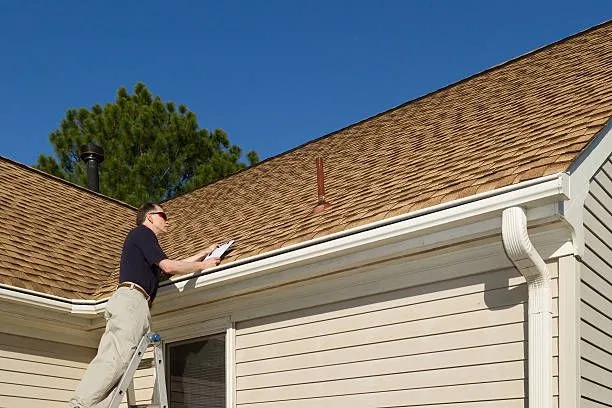
Is Your Roof About to Cost You Thousands? 7 Mistakes DFW Homeowners Make After Storm Damage
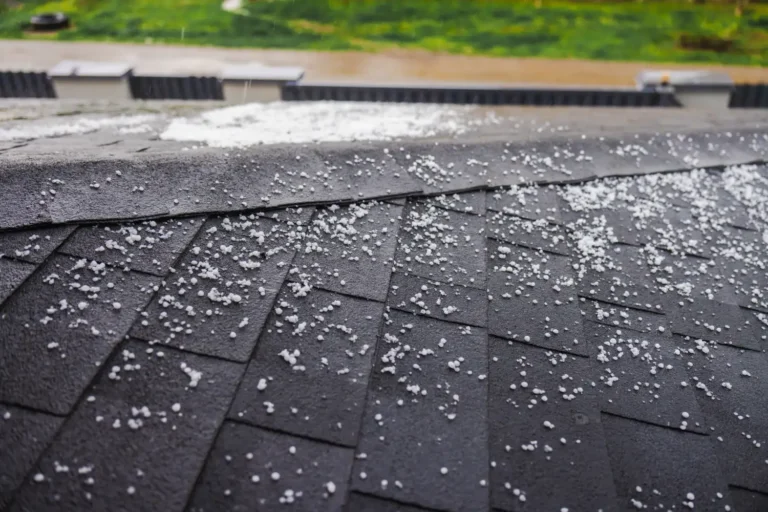
North Texas homeowners know that storm damage can appear quickly and remain hidden for months. Hail may bruise asphalt shingles without creating an immediate leak. High winds can lift roofing materials, loosen flashing, and expose vulnerable areas around vents, valleys, and roof edges.
The financial risk often increases when homeowners make avoidable decisions after the storm. A rushed contractor agreement, incomplete documentation, or a misunderstood deductible can complicate an insurance claim and lead to unnecessary out-of-pocket expenses.
The following seven mistakes are especially common during the DFW storm season. Knowing what to avoid can help homeowners protect their property, preserve evidence, and make more informed decisions about hail damage roof repair in Fort Worth.
1. Signing with the first storm contractor who arrives
After a major storm, roofing companies may begin knocking on doors within hours. Some are legitimate local contractors. Others are storm chasers who move from one affected area to another and may not have a lasting presence in the DFW community.
Signing a contract under pressure can create several problems. The homeowner may not have time to compare the scope of work, verify insurance coverage, review warranties, or understand whether the agreement includes an assignment of benefits or other authorization.
A contractor should be evaluated based on more than a low price or an urgent sales pitch. Homeowners should look for:
- A verifiable local business address and service history
- Current liability and workers’ compensation insurance
- Written estimates with specific materials and labor details
- Clear warranty terms
- References from nearby homeowners
- A contract that can be reviewed before signing
Homeowners should also be cautious if a contractor promises to “waive” or “cover” the insurance deductible. The Texas Department of Insurance explains that contractors cannot waive or rebate a deductible, and insurance companies may request proof that the deductible was paid.
A careful contractor selection process helps protect both the claim and the long-term quality of the roof.
2. Skipping documentation before cleanup or repairs
Many homeowners photograph only the most obvious problem, such as a missing shingle or a fallen tree. That may not be enough to support a complete claim.
Storm damage can affect more than the roof covering. Hail may dent gutters, damage siding, mark window screens, impact air-conditioning equipment, and leave granules in downspouts. Wind can affect fences, flashing, vents, and exterior structures. Water may also create stains or moisture damage inside the home.
Before moving debris or beginning repairs, homeowners should safely document:
- Every roof slope visible from the ground
- Gutters, downspouts, siding, windows, screens, and fences
- Outdoor HVAC equipment and other exterior systems
- Interior stains, bubbling paint, or damp drywall
- Fallen limbs, damaged structures, and scattered debris
- The date of the storm and the date damage was discovered
Wide photographs provide context, while close-up images show specific impact marks or displaced materials. Homeowners should never climb onto a damaged or wet roof to take pictures. A professional inspection can document areas that are not visible from the ground.

Thorough documentation creates a clearer record of what happened and helps separate storm damage from normal wear and tear.
3. Misunderstanding the deductible
A deductible is the portion of a covered loss that the homeowner is responsible for paying. It is not a fee that a contractor can legally remove from the project.
Many Texas policies include a separate wind or hail deductible. Depending on the policy, this may be a fixed amount or a percentage of the home’s insured value. The amount shown on the declarations page may be different from the standard deductible for other types of losses.
Before filing a claim, homeowners should review:
- The wind and hail deductible
- Whether the policy provides replacement cost or actual cash value coverage
- Any roof-specific limitations or exclusions
- The deadline for reporting storm damage
- Requirements for temporary repairs and receipts
- Whether matching materials or code upgrades are covered
4. Waiting too long to have the roof inspected
A roof may continue to protect the home after a storm even when it has sustained functional damage. Hail bruises, lifted shingles, damaged seal strips, and compromised flashing may not create an immediate interior leak.
Waiting can make the situation more difficult. Additional rain may allow moisture to enter the roof assembly. Wind can worsen previously loosened materials. Over time, an insurance carrier may question whether the damage came from the recent storm or from age, maintenance issues, or a later event.
Homeowners should arrange a professional inspection promptly after:
- A hailstorm or high-wind event
- Visible impact marks or missing shingles
- New leaks or interior stains
- Granules collecting around downspouts
- Damage to gutters, siding, windows, or outdoor equipment
- A storm that affected surrounding homes
Prompt inspection does not automatically mean a roof needs replacement. In some cases, the appropriate recommendation is a limited repair or continued monitoring. The purpose is to identify the actual condition before small problems create greater financial strain.
5. Failing to get a free professional inspection
Some homeowners rely on a quick visual check from the driveway. Others assume that no visible leak means no damage exists. Both approaches can overlook conditions that affect the roof’s structural integrity and water-shedding ability.
A professional inspection evaluates the roof system rather than one isolated symptom. The inspection may include shingles, flashing, valleys, vents, pipe boots, roof edges, gutters, and areas where different materials meet.
A qualified roofing company should explain:
- Which conditions appear storm-related
- Which items reflect normal aging or maintenance
- Whether the damage is isolated or widespread
- Whether repair or replacement is more practical
- What documentation may support an insurance claim
- Which temporary steps are necessary
Texas Best Roofing Solutions provides free roofing inspections for homeowners in Burleson and nearby DFW communities. The company also has a former licensed insurance adjuster on staff who can help organize documentation, explain the claim process, and communicate roofing findings clearly.
A free inspection gives homeowners useful information before they commit to a repair, replacement, or insurance filing.
6. Attempting DIY repairs on a damaged roof
Temporary protection may be necessary after a storm, but permanent DIY repairs can create safety, performance, and claim problems.
Roofing materials must be installed in a specific sequence. An incorrectly placed shingle, exposed fastener, improperly sealed vent, or damaged underlayment can allow water to move beneath the roof covering. A repair that appears complete from the ground may not restore the roof’s water resistance.
There is also a significant fall risk. Wet shingles, steep slopes, loose materials, and hidden structural damage can make storm-damaged roofs unsafe to access.
Homeowners should instead:
- Stay off the roof whenever possible
- Move furniture away from active interior leaks
- Place containers under leaks when safe
- Cover belongings and protect interior areas
- Contact a professional for temporary protection
- Save receipts for emergency mitigation work
- Photograph conditions before cleanup or repairs
Temporary measures should prevent further damage while preserving evidence for the inspection and claim. Permanent work should generally wait until the damage has been documented and the scope is understood.

7. Not knowing what the insurance policy requires
A homeowner may know that the roof was damaged but still be unsure about when to file, what evidence to provide, or which repairs require authorization.
Insurance policies vary. Some have specific reporting deadlines, roof exclusions, depreciation rules, or requirements for emergency mitigation. A homeowner who waits beyond the policy’s reporting window or discards damaged materials too early may create avoidable complications.
A claim file should include:
- The policy declarations page
- The storm date and approximate time
- Photos and videos of damage
- The inspection report
- The contractor’s written estimate
- The adjuster’s report and estimate
- Records of calls, emails, and claim decisions
- Receipts for temporary repairs
- Proof of deductible payment when required
Homeowners should also understand that a roofing contractor does not approve or deny an insurance claim. The contractor documents conditions and prepares a repair or replacement scope. The carrier determines coverage.
DFW Storm Damage Checklist
Save this checklist after a hail or windstorm:
- Check the home from the ground for visible damage.
- Photograph the roof, gutters, siding, windows, HVAC equipment, fences, and interior stains.
- Note the storm date and when damage was discovered.
- Do not climb onto a wet or damaged roof.
- Arrange a professional roof inspection.
- Review the wind and hail deductible.
- Read the policy’s reporting deadlines and roof coverage provisions.
- Make only temporary repairs needed to prevent additional damage.
- Save receipts, estimates, inspection reports, and communications.
- Verify the contractor’s local presence and insurance.
- Never agree to a deductible waiver or rebate.
- Do not authorize permanent repairs before the damage is documented.
Schedule a Free Roof Inspection
Storm damage does not always announce itself with a leak. A professional inspection can help identify hidden hail or wind damage, clarify whether repair or replacement is appropriate, and provide documentation for the next step.
Texas Best Roofing Solutions is a family-owned and operated DFW roofing company serving homeowners with storm damage inspections, roof repair, replacement, gutters, siding, and insurance claim assistance. The company focuses on quality materials, experienced installers, and fixing the roof correctly the first time.
Roofing documentation and estimates
Texas Best Roofing Solutions can inspect and document roofing conditions, take photographs, prepare a roofing repair or replacement estimate, provide technical information, and discuss the roofing scope with the insurer or adjuster. The insurance company determines coverage under the policy.