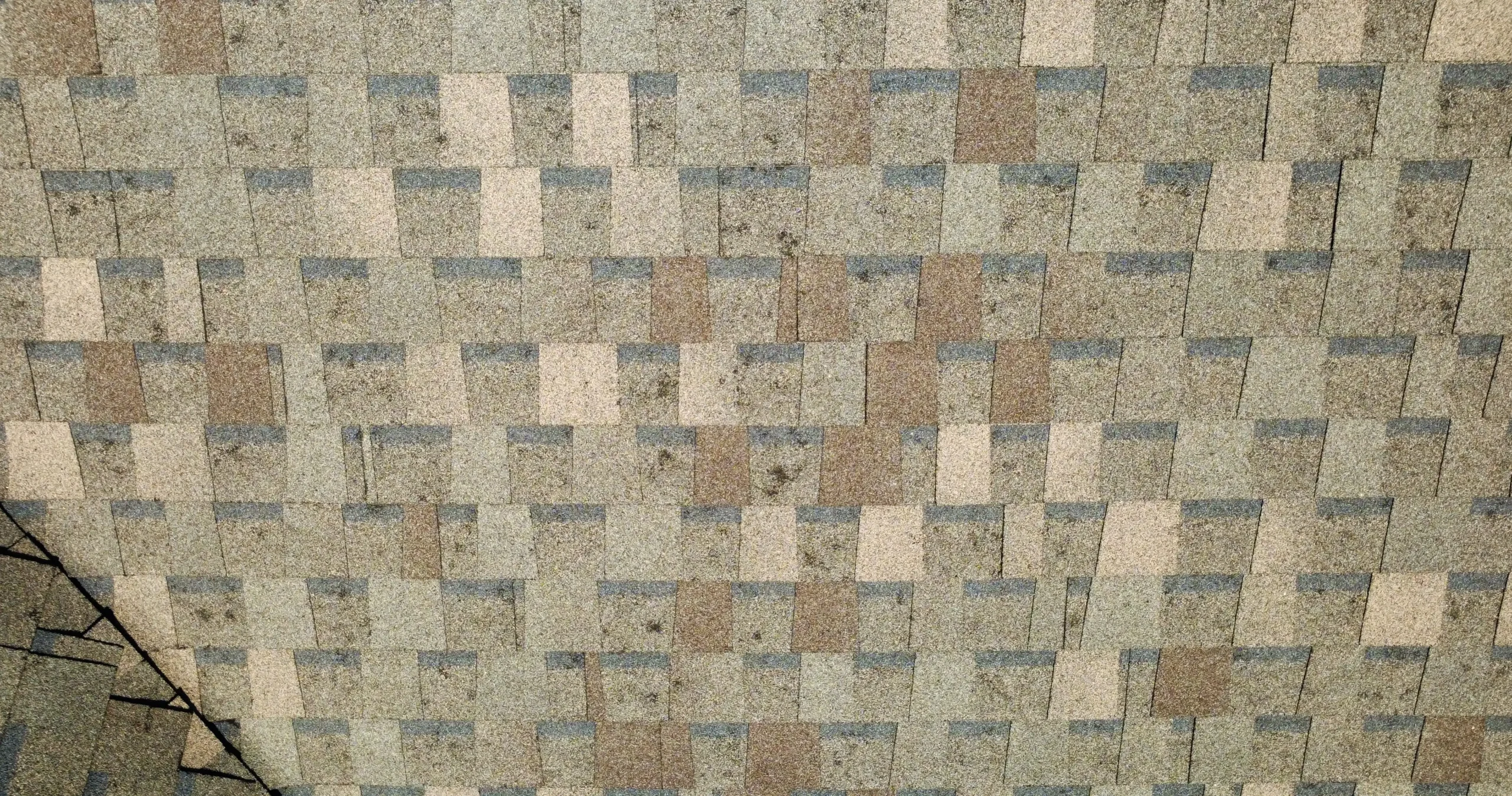
Does Hail Damage Always Cause Leaks? (And What to Look For Before Calling Your Insurance)
If you live in the Dallas-Fort Worth area, you’re no stranger to the sound of ice pellets hammering against your roof. After the storm passes, the first thing most homeowners do is walk through the house, looking at the ceilings for any sign of a yellow water stain. If the ceiling is dry, the common assumption is that the roof "survived" and there is no need for concern.
However, as a professional roofing team with a background in insurance adjusting, we frequently encounter a critical question from our clients: Does hail damage always cause leaks?
The short answer is no: at least not immediately. But the long-term reality is much more complicated. Hail damage is often a "ticking time bomb" that compromises the structural integrity of your home long before the first drop of water hits your living room floor.
The Misconception of the "Leak-Free" Roof
The primary reason homeowners ignore hail damage is the absence of an active leak. It is a common misconception that a roof is only "damaged" if it is failing to keep out water. In reality, roofing materials are designed with multiple layers of protection. When hail strikes, it typically damages the outermost layer first.
Think of your roof like your skin. A bruise doesn't always result in an open wound, but the tissue underneath is still damaged. On a shingle roof, this "bruising" marks the beginning of a slow deterioration process. Just because you don't need a bucket in the kitchen today doesn't mean your roof hasn't suffered a "total loss" event in the eyes of an insurance carrier.

Understanding the Anatomy of Hail Damage: Granule Loss and Bruising
To understand why hail leads to leaks later, we have to look at how asphalt shingles are built. They are composed of a fiberglass mat, a layer of asphalt, and a top coating of ceramic granules. These granules serve a vital purpose: they act as "sunscreen" for the asphalt, protecting it from the harsh Texas UV rays.
1. Granule Loss
When a large hailstone hits a shingle, it knocks those protective granules loose. You might notice these granules accumulating in your gutters or washing out of your downspouts after a storm. Once the granules are gone, the underlying asphalt is exposed to the sun. Over the course of a few months, the UV rays will bake that asphalt, causing it to become brittle, crack, and eventually allow water to seep through the fiberglass mat.
2. Shingle Bruising
"Bruising" occurs when the impact of the hail is strong enough to fracture the fiberglass mat inside the shingle without necessarily puncturing the surface. You can often feel these bruises by pressing down on a dark spot on the shingle; it will feel soft or "mushy" compared to the surrounding area. These fractures are structural failures. Over time, as the roof expands and contracts with the heat, these fractures turn into full-blown tears.
The Timeline of a Hail-Related Leak
If hail damage doesn't always cause immediate leaks, when do the leaks start?
- 0–3 Months Post-Storm: The roof looks fine from the ground. Granules are beginning to wash away. The "bruised" spots are starting to weaken under the DFW heat.
- 6–12 Months Post-Storm: The exposed asphalt begins to crack. Small amounts of moisture begin to penetrate the shingle and sit on the underlayment.
- 1–2 Years Post-Storm: The underlayment eventually fails due to constant moisture exposure. At this point, the leak finally appears on your ceiling.
The danger here is that most insurance policies have a "statute of limitations" on when you can file a claim: often one year from the date of the storm. If you wait until the leak appears, you might be outside of your filing window, leaving you to pay for a full roof replacement out of pocket.

What to Look For Before Calling Your Insurance
Before you pick up the phone to call your insurance company, it is wise to do a preliminary check. Filing a claim that gets denied can sometimes count against your "claims history," even if no payout is made. At Texas Best Roofing Solutions, we recommend looking for these "collateral" signs of damage from the safety of the ground:
1. The "Soft Metal" Check
Check your gutters, downspouts, and the metal vents on top of your roof. Since metal is softer than shingles, it will show dents much more clearly. If your metal vents look like the surface of a golf ball, there is a 99% chance your shingles are damaged as well.
2. Window Screens and Siding
Look at your window screens for tears or "splatter" marks. Also, check your siding for cracks or dings. High-velocity hail rarely hits the roof without also hitting the sides of the house.
3. Gutter Granules
If you see a significant amount of sand-like granules in your gutters, your shingles are shedding their protective layer. This is a primary indicator of hail impact.
4. Fence and Deck Damage
Look at your wooden fence or deck. Hail will often "clean" the stain or oxidation off the wood in small, circular patterns. These "hit marks" are a great indicator of the size and direction of the hail.

Why You Need a Professional Roof Inspection
While ground-level checks are helpful, they don't tell the whole story. Many hail impacts are invisible to the untrained eye, especially on certain types of luxury shingles.
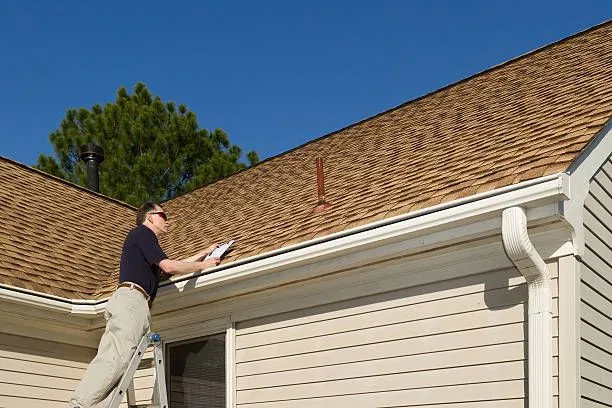
At Texas Best Roofing Solutions, we take a more technical approach. We don't just "look" at the roof; we evaluate the structural integrity of the entire system. Our team uses advanced techniques, including drone technology, to get a bird's eye view of the damage without causing further stress to the shingles.

The Advantage of a Former Insurance Adjuster
Our owner, Stan Short, is a former licensed insurance adjuster. This is a massive advantage for our clients in the DFW area. We don't just tell you that your roof is damaged; we document the damage using the same criteria that your insurance company uses.
When we perform a roof inspection, we are looking for the "square" of damage: a 10×10 area where a certain number of impacts must be present to qualify for a full replacement. By having a former adjuster on your side, you ensure that the paperwork is handled correctly and that the insurance company sees the full scope of the loss.
Don't Wait for the Leak
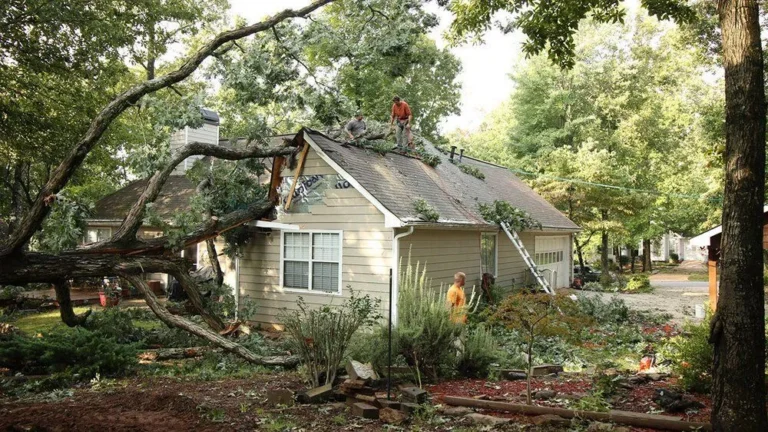
If a storm has recently rolled through your neighborhood, the best time to act is now. Waiting for a leak to manifest often leads to more expensive problems, such as:
- Mold growth in the attic.
- Damaged insulation (which increases your energy bills).
- Structural rot in the roof decking.
- Ceiling and drywall repairs.
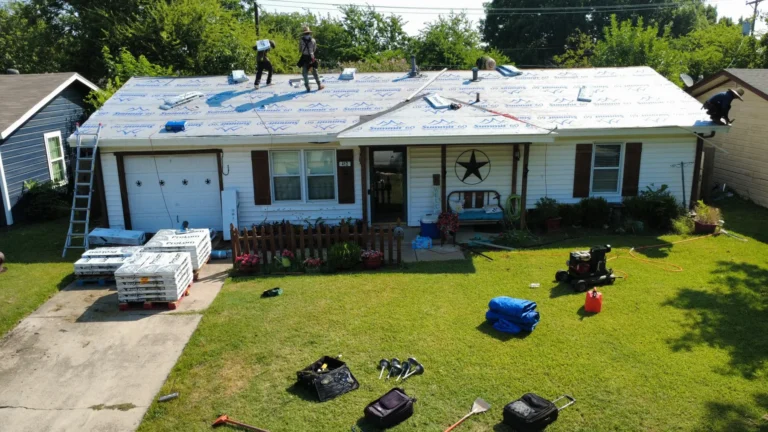
We offer comprehensive insurance claim assistance to help you navigate the process from start to finish. Our goal is to make the experience as stress-free as possible while ensuring your home: one of your largest investments: is fully protected.

Schedule Your Free Inspection Today
Whether you are in Burleson, Midlothian, or anywhere in the DFW metroplex, Texas Best Roofing Solutions is here to help. We pride ourselves on being a friendly, local partner that treats your roof as if it were our own.
Remember, hail damage doesn't always cause leaks on day one, but it is the start of your roof's decline. Let us provide you with the peace of mind you deserve. Contact us today for a free, no-obligation inspection and let our expertise work for you.