7 Roofing Problems That Can Get Worse If Left Unaddressed
A roof rarely fails all at once. Most roofing problems start small: a lifted shingle, a faint ceiling stain, a gutter that spills over after a storm. Left alone, those small issues spread, and the repair bill grows with them.
Delayed fixes let water reach places it should never touch. That is how minor roof damage turns into soaked insulation, stained drywall, and sagging decking. What could have been a quick patch becomes a major roof repair.
The common roof problems below share one trait: they get worse with time. Damaged shingles, leaks, failing flashing, and storm damage all reward early action. Regular inspections catch these roofing issues before they reach the interior, and that timing changes everything.
Problem 1: Damaged or Missing Shingles
Shingles are the first defense against rain, wind, and sun. When they crack, curl, or blow off, the layers underneath lose their cover. Damaged roof shingles leave the underlayment and decking open to water.
Even one small bare patch is enough. Wind-driven rain slips beneath nearby shingles and travels along the deck. Over weeks, that moisture rots wood and loosens the surrounding cracked shingles.
Missing shingles also expose fasteners, which then rust and back out. A section that started as a single gap can widen after each storm. A quick shingle roof repair now keeps a small blemish from becoming a structural fix later. Replacing a few damaged shingles may be less costly than repairing a larger area after water has spread. Professional roof repair can also reveal damage beneath the visible gap.
Problem 2: Roof Leaks
A slow drip looks harmless, but roof leaks rarely stay small. Water follows the path of least resistance, so the entry point and the stain are usually in different spots. That makes a leaking roof tricky to trace and easy to underestimate.
Watch for brown ceiling rings, damp attic insulation, a musty smell, or dripping during rain. Each sign points to moisture that has already moved inside, and the signs of a roof leak are easy to miss until the damage spreads.
Left unchecked, that water can ruin drywall, warp trim, and create conditions where mold can grow. Keeping moisture under control helps prevent these problems from spreading, as explained in this guidance on mold and moisture.
Problem 3: Damaged or Failing Flashing
Flashing is the thin metal that seals joints where the roof meets something else. It wraps chimneys, vents, skylights, and valleys. These transitions are the weak points on any roof, and flashing is what keeps them dry.
When flashing cracks, lifts, or pulls loose, water finds the gap. Damaged flashing is a common cause of leaks that seem to have no clear source.
Ignored roof flashing problems let water run behind walls and along framing. The damage hides until stains appear far from the actual breach. Inspect flashing whenever a roof leak or interior spot shows up near a chimney or vent. A fresh bead of sealant or a new flashing piece is a simple flashing repair compared to rebuilding a soaked wall cavity.
Problem 4: Poor Roof Drainage or Clogged Gutters
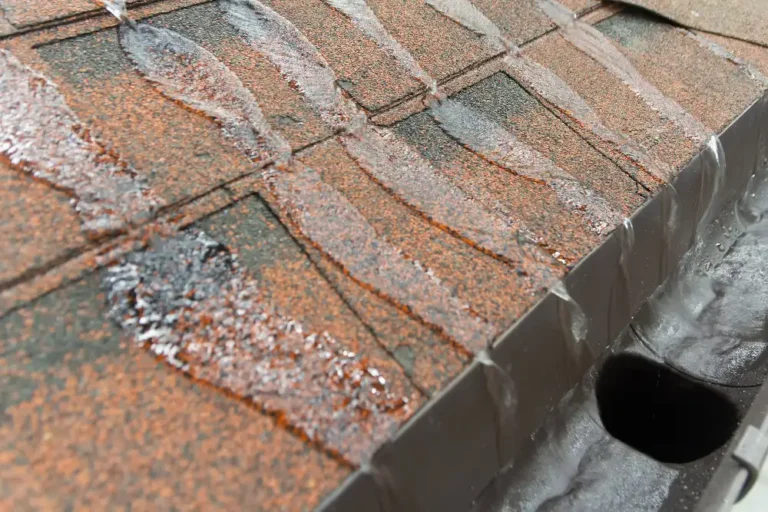
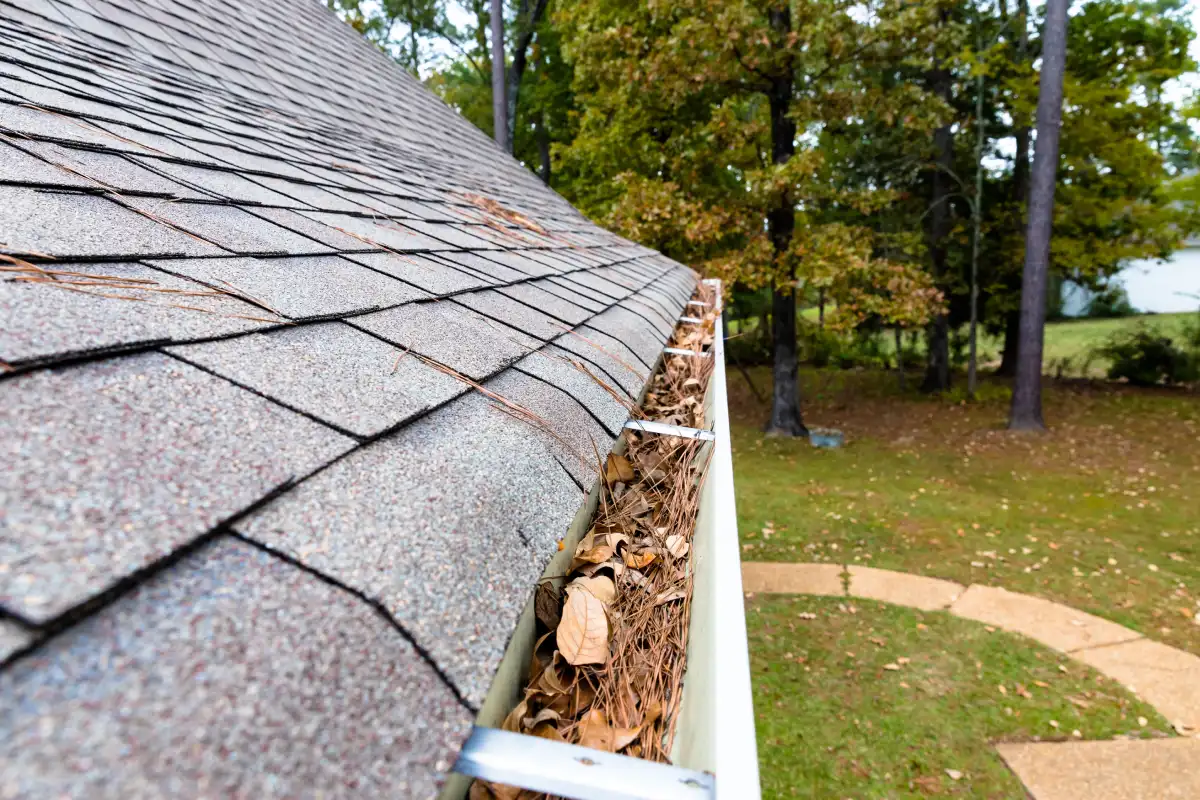
Gutters and drains move water off and away from the structure. When leaves and grit pack them tight, that water has nowhere to go. Clogged gutters back up, spill over the edge, and pool where they should not.
Standing water on roof surfaces and overflowing gutters are the clearest warning signs. Both drainage points have stopped working.
Prolonged pooling breaks down roofing materials and soaks fascia, soffit, and foundation soil. On flat and low-slope roofs, ponding adds weight and speeds wear. Clearing gutters regularly, especially after heavy leaf fall or major storms, helps keep water moving away from the roof and home. If the gutters are difficult or unsafe to reach, hire a professional.
Problem 5: Storm and Hail Damage
Severe weather can damage a roof without leaving obvious clues. Hail can bruise shingles, wind can lift their edges, and flying debris can chip roofing materials. Much of this damage is hard to see from the ground.
Look for missing or lifted shingles, dents in metal flashing or vents, and excess shingle granules in the gutters. Damage that seems minor can allow water in during the next storm. If you notice these signs, document them with photos and schedule a roof inspection to find out whether repairs are needed.
Problem 6: Roof Ventilation Problems
A roof needs to breathe. Balanced intake and exhaust vents let air flow through the attic and carry heat and moisture out. Without that airflow, conditions turn against the roof from the inside.
Poor attic ventilation traps summer heat that bakes shingles from below and drives up cooling bills. In colder months, warm, damp air condenses on the underside of the deck.
That trapped moisture rots sheathing, rusts fasteners, and grows mold in the insulation. Roof moisture problems can also affect shingle warranties that depend on proper airflow. Checking attic ventilation during routine maintenance is easy to overlook and costly to skip. Many roof ventilation problems can be solved with ridge vents, soffit vents, or added intake rather than a full tear-off.
Problem 7: Aging or Deteriorating Roofing Materials
Every roof has a lifespan. Sun, heat, and freeze cycles wear materials down until they can no longer keep water out. An aging roof shows its age in ways worth reading early.
Look for curling edges, bald spots where granules washed away, brittle, deteriorating shingles, and widespread cracking. This roof wear signals that the surface is losing its grip.
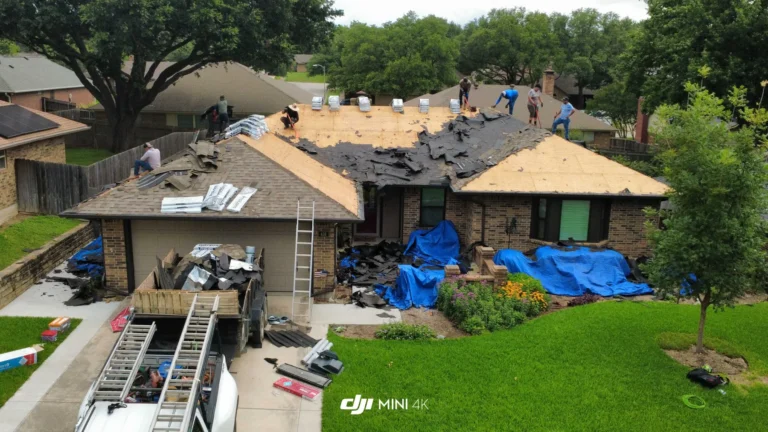
As materials weaken, they grow more prone to leaks, wind loss, and further roof damage. At some point, patching costs more than it returns. Replacing a roof is a real expense, so timing the decision well protects the budget. An inspection clarifies whether repairs or roof replacement is the smarter call.
Repair, Replace, or Monitor
Choosing a path depends on age, damage, and cost. The comparison below frames the trade-offs.
| Option | Best for | Pros | Key consideration |
|---|---|---|---|
| Repair | Localized damage on a sound roof | Lower cost, fast | May recur if the roof is near end of life |
| Replace | Widespread wear or an old roof | Fresh warranty, long-term value | Highest upfront cost |
| Monitor | Minor cosmetic wear | No immediate spend | Needs disciplined follow-up inspections |
What to Do When You Notice a Roofing Problem
Visible damage is a signal, not a nuisance to ignore. The longer a problem sits, the more it spreads and the more it costs. Acting early is the cheapest form of roof maintenance available. If water is actively coming in, emergency roof repair is the right call.
Start by documenting the issue. Photograph the stain, the shingle, or the gutter, and note the date and weather. Those records help a contractor and, if needed, an insurance claim. Texas homeowners should also check their policy, since wind and hail deductibles can be higher than deductibles for other damage.
Next, arrange a professional roof inspection. A trained eye finds the source, not just the symptom. Early roof repair and honest advice on roofing services can head off far larger work, since repair costs tend to climb the longer a problem sits.
Quick Warning-Sign Reference
| Sign you notice | Likely problem | Suggested next step |
|---|---|---|
| Ceiling stains or drips | Leak or flashing failure | Schedule a leak inspection |
| Shingles in the yard | Missing or wind-damaged shingles | Book a shingle repair |
| Overflowing gutters | Clogged or poor drainage | Clean and check gutters |
| Dents after a storm | Hail or wind damage | Request a post-storm inspection |
| Curling, balding shingles | Aging materials | Get a repair-vs-replace assessment |
A roof inspection can uncover damage before it becomes more extensive.
Frequently Asked Questions
How often should a roof be inspected?
A good rule is twice a year, ideally in spring and fall, plus after any major storm or when visible damage appears. That schedule catches small issues before harsh weather arrives.
Can a small roof leak really cause big damage?
Yes. A slow leak spreads to insulation, framing, and drywall over time. Water also feeds mold, which raises both repair costs and health concerns, so early action pays off.
How do you spot hail or wind damage that is hard to see?
Look for granules in gutters, dented vents, and lifted or missing shingles. Much storm harm hides from ground level, so a professional inspection after severe weather is the reliable way to confirm it.
Should an aging roof be repaired or replaced?
It depends on the extent of wear and the roof’s age. Isolated damage on an otherwise sound roof favors repair, while widespread deterioration usually points to replacement. An inspection settles the question.
Does homeowners insurance cover storm damage to a roof?
Often, but it depends on the policy. Some policies pay the full cost of a new roof, while others pay less based on the roof’s age and condition. Wind and hail deductibles can also be higher than other deductibles, so review the policy details and file a claim promptly after a storm.
What is the cheapest way to avoid big roof repairs?
Routine maintenance. Clearing gutters twice a year, checking flashing and sealant, and scheduling an inspection after major storms can catch many problems while they are still inexpensive to fix.
Keeping Small Problems Small
The pattern across every issue here is the same. Damaged shingles, leaks, failing flashing, clogged drainage, storm damage, poor ventilation, and aging materials all grow worse when ignored. Early attention keeps each one contained.
Regular inspections and steady roof maintenance find trouble while it is still cheap to fix. Catching a roofing problem in its first weeks protects ceilings, budgets, and everyday peace of mind.
Texas Best Roofing Solutions helps homeowners deal with roofing problems at the first sign, before the next storm turns a small repair into a big one.
Contact us to schedule a roof inspection and get an honest read on your roof.