How to Prevent Common Roof Leaks Before They Become Major Problems
A roof leak does not always start with water dripping through the ceiling. A cracked shingle, damaged flashing, or clogged gutter can create a small opening where rainwater gradually finds its way beneath the roofing system, often long before a stain ever appears.
In Texas, this risk is worth watching closely. Wind and hail have accounted for an average of 62% of homeowners’ insurance losses since 2019, according to 2026 data from the Texas Department of Insurance.
The good news is that many common roof leaks are preventable. With regular roof maintenance and timely inspections, you can catch small problems while repairs are still simpler and less extensive.
Effective roof leak prevention starts with identifying vulnerable areas and addressing them early. The following tips can help you prevent roof leaks and protect the structure underneath.
Keep Damaged Shingles From Becoming Roof Leak Points
Shingles take the brunt of rain, wind, hail, and sun exposure. Once they crack, curl, loosen, or go missing, water can reach the roof deck and work its way beneath the roofing system. A small opening may not cause an immediate interior leak, but repeated rainfall gradually makes the damage worse.
After severe weather, check for:
- Missing shingles or sections that look out of place
- Cracked shingles with visible splits or breaks
- Curling or lifted edges that no longer lie flat
- Loose or damaged roofing materials around the surface
Address damaged shingles promptly with professional roof shingle repair or replacement. If you cannot safely determine the extent of the damage from the ground, have a roofing professional inspect the roof rather than climbing onto it yourself.
Check Flashing Before It Becomes a Leak
Flashing helps direct rainwater away from vulnerable joints where different roof surfaces or structures meet. Chimneys, vents, skylights, and roof edges all depend on properly installed flashing to keep water from getting underneath the roofing materials.
Over time, weather exposure can cause damaged flashing to crack, loosen, or separate from the surrounding surface. During routine roof maintenance, pay attention to:
- Gaps or cracks around flashing
- Lifted or loose sections
- Rust or visible deterioration
- Water stains near roof penetrations
Ignoring these issues can turn a small opening into a recurring roof leak. Prompt flashing repair can close these vulnerable points before heavy rain finds its way underneath the roofing materials.
Keep Gutters and Downspouts Clear
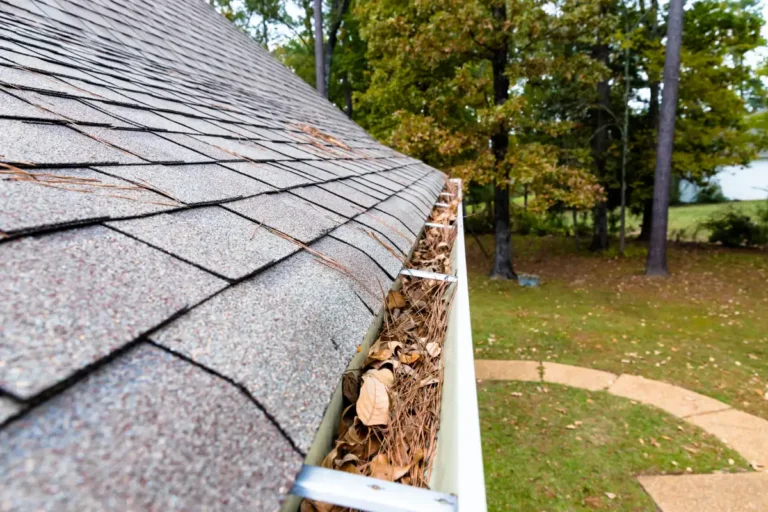
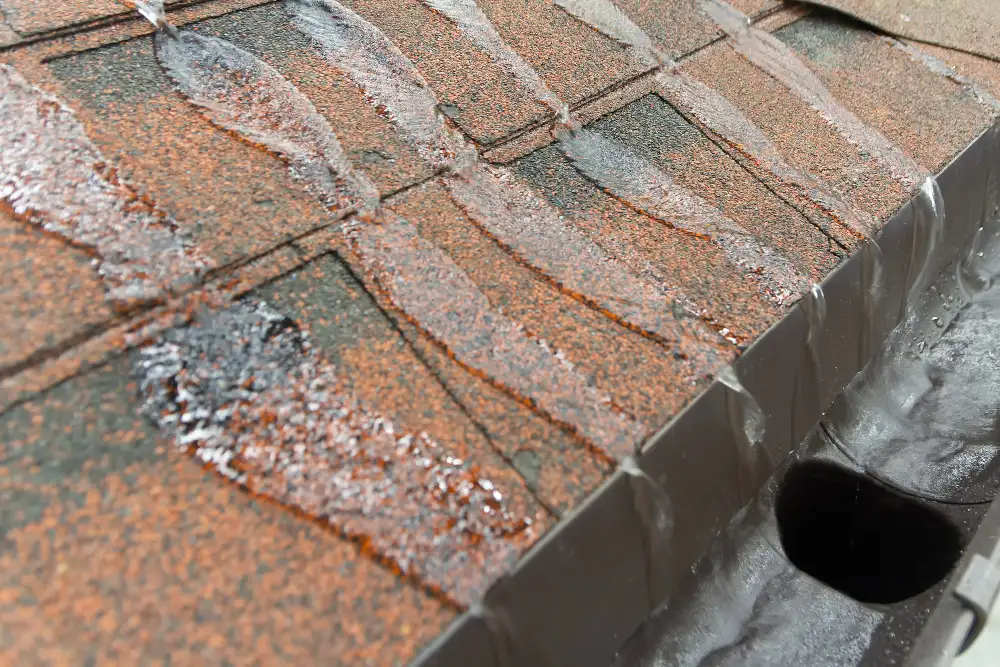
Gutters help move rainwater away from the roof before it can collect along the edges. When leaves, dirt, and other debris block the flow, clogged gutters can cause water to back up against the roofline and increase the risk of water entering vulnerable areas.
As part of regular roof gutter maintenance:
- Remove leaves and debris before buildup becomes heavy.
- Check for standing water or slow drainage.
- Clear downspouts so water can flow freely.
- Direct downspouts so water drains away from the home.
Regular gutter cleaning supports proper roof drainage and helps limit moisture around the roofline. Keeping these areas clear is a simple but important part of roof leak prevention, especially before periods of heavy rain.
Check for Signs of Roof Water Damage
Water does not always enter through the roof as an obvious drip. Early signs of roof leaks may appear as ceiling water stains, damp walls, musty odors, peeling paint, or damaged drywall.
Do not ignore these signs just because there is no active dripping. Ongoing roof water damage can spread through insulation, drywall, and framing before the source becomes obvious.
Instead of repairing only the visible interior damage, identify and fix the source of the roof leak causing the water damage. A professional inspection can help determine where moisture is entering and what needs to be repaired.
Schedule Regular Roof Inspections
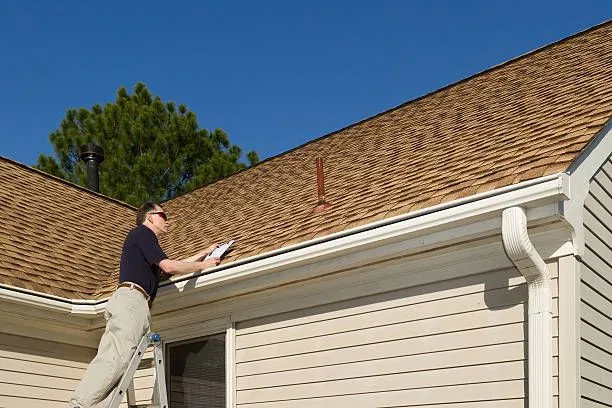
A routine roof inspection is one of the most reliable ways to catch small roofing issues before they turn into costly repairs. Cracked shingles, worn flashing, and early moisture problems are easier to address when they are found early.
Plan a roofing inspection after severe weather and as the roof gets older, since aging materials can become more vulnerable to wear. As part of ongoing roof maintenance, professional roof inspection services can identify problems that are not visible from the ground, including subtle flashing damage or issues with the roof deck.
Whenever an issue is found, address it promptly to keep minor problems from spreading. Early repairs can help reduce the risk of leaks and more extensive roof damage.
Maintain Proper Roof and Attic Ventilation
Good roof ventilation does more than regulate attic conditions. It helps manage the heat and moisture that build up beneath the roofing system. Balanced attic ventilation allows warm, humid air to escape instead of allowing moisture to collect against the underside of the roof.
When airflow is poor, excess roof moisture can build up and gradually affect roofing materials, insulation, and framing. This deserves attention when maintaining an older roof, where ventilation components may wear down or become less effective over time.
As part of routine roof maintenance, have the ventilation system assessed during a professional inspection. Identifying airflow problems early can help protect roofing materials and reduce moisture-related issues over the long term.
Address Storm Damage Quickly
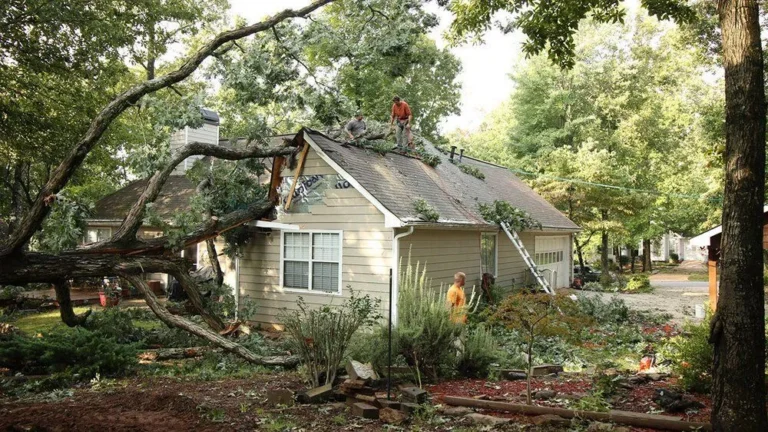
Severe weather is a common cause of roof leaks. Hail, high winds, and heavy rain can loosen, crack, or tear roofing materials, creating openings where water can slip beneath the surface. Hail damage may bruise or fracture shingles, while wind damage can lift edges and expose the roof deck.
After a significant storm, check for storm damage, including missing or damaged shingles, displaced flashing, and other compromised components. Catching these issues early matters because even minor damage can worsen with the next round of rain.
Prompt roof repair after a storm can close vulnerable points before water reaches the materials underneath. If the damage is not safe or easy to assess from the ground, schedule a professional inspection to determine what needs attention.
Know When to Call a Roofing Professional
Routine maintenance can catch many roofing problems early, but some issues require professional assessment and roof leak repair. Certain warning signs mean the problem should not be handled as a simple maintenance task:
- Active leaks or water entering the home
- Widespread shingle damage across large areas
- Damaged or missing flashing around roof penetrations
- Recurring water stains that return after patching
Complex roof repairs can create additional safety risks when attempted without the right knowledge or equipment. An improper fix may also cover the visible problem without addressing the source.
When these issues appear, schedule a professional roof inspection with a qualified roofing contractor to identify and address the underlying problem.
Frequently Asked Questions
Q: How often should you have your roof inspected to prevent leaks?
Have your roof inspected at least once a year, plus after any major storm. If your roof is older, schedule more frequent checks, since materials wear faster in the later years of their life.
Q: What are the most common causes of roof leaks?
Damaged or missing shingles, failing flashing, clogged gutters, and aging materials top the list. Poor ventilation and untreated storm damage can also let water into your home over time.
Q: Can a small roof leak really turn into a major problem?
Yes, water from a small opening spreads through your roof deck, insulation, and framing long before it shows up inside. Repairing it early keeps that hidden damage from growing.
Q: Are ceiling stains always a sign of a roof leak?
Not always, but you should investigate them. A stain can trace back to a roof entry point several feet away, so finding the true source is your key step.
Protect Your Home and Prevent Roof Leaks
Protecting your home starts with consistent roof care. Checking shingles and flashing, keeping gutters clear, watching for interior water stains, and scheduling a regular roof inspection can help prevent small problems from becoming more extensive.
Routine roof maintenance and timely roof repair can help limit water damage and keep minor roofing issues from spreading. When you notice damage or early signs of a potential leak, addressing the problem promptly can help prevent further water intrusion.
At Texas Best Roofing Solutions, our team helps homeowners identify roofing problems and determine the right next step.
Contact us today to schedule a professional roof inspection.