7 Signs a Roof Leak Could Be Causing Damage Inside Your Home
A roof leak rarely announces itself with a dramatic drip. Water can travel through damaged shingles, worn flashing, cracked vents, or gaps around a chimney long before a puddle shows up on the floor. By the time a ceiling stains, moisture may already sit inside walls and insulation.
Learning the early roof leak signs creates a window to act before repairs become costly. Addressing leaks early can help prevent further water damage and more extensive repairs. Common warning signs include ceiling stains, damp areas in the attic, mold growth, and visible dripping water, according to GAF homeowner guidance.
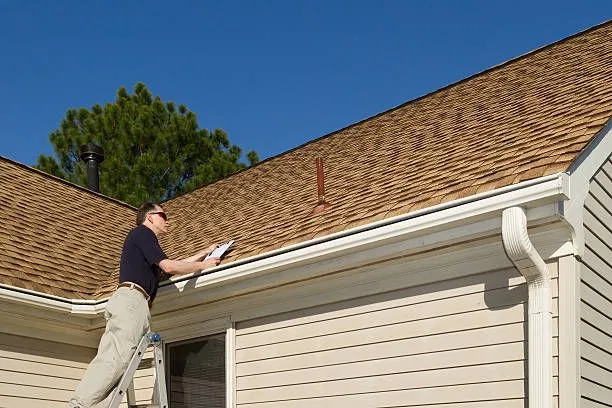
This guide covers the seven signs that point to hidden water intrusion. Each one deserves attention, and any suspected leak deserves a professional look before damage spreads through a home. A roof inspection can confirm what’s actually happening before repairs begin.
Sign 1: Water Stains on Ceilings or Walls
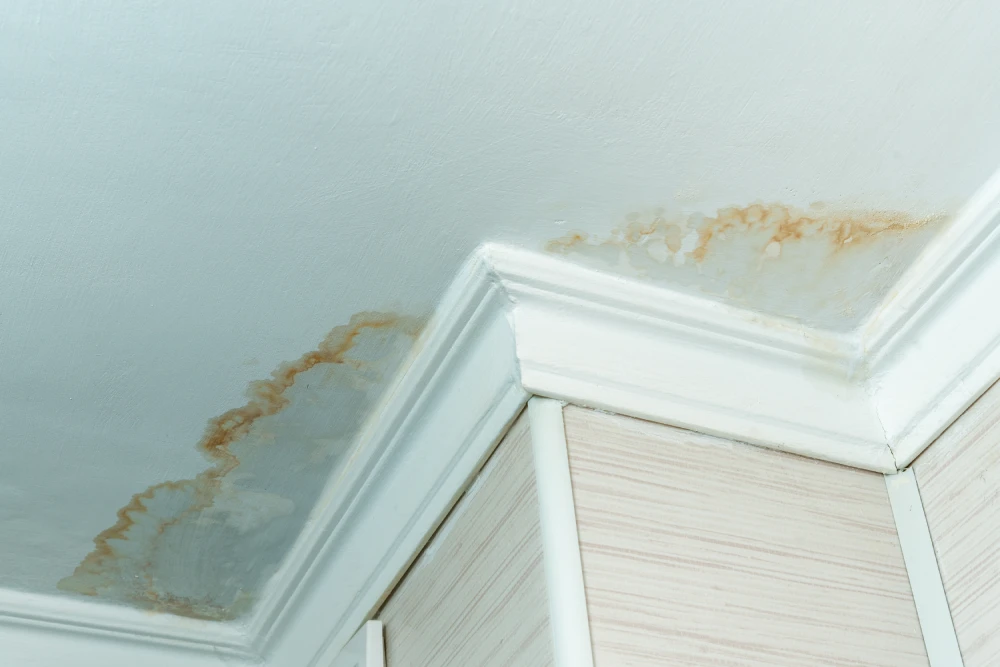
Brown or yellow water stains on ceiling surfaces are one of the clearest warnings of trouble overhead. These rings form as moisture seeps in, dries, and leaves mineral deposits behind. They may appear near light fixtures, in corners, or along the seam where a wall meets the ceiling.
A roof leak ceiling stain does not always sit directly under the leak. Water follows rafters and framing, then drops at the lowest point it reaches. That is why chasing the visible mark alone leads people astray. Instead of painting over the discoloration, trace the source. Covering ceiling water damage hides the symptom while the leak keeps working behind the surface.
Sign 2: Dripping or Active Water Inside the Home
Visible dripping points to an active roof leak that needs a fast response. Water may fall from a ceiling, run down a wall, or collect around window frames after a storm. A roof leaking during rain that stops once skies clear still signals a compromised roof surface.
When water starts coming through ceiling materials, a bucket, moved furniture, and dated photos help contain the mess. Active water spreads quickly into drywall, framing, and electrical boxes, which raises both repair costs and safety risks. A leak that flows freely during a downpour usually calls for emergency roof repair rather than a wait-and-see plan. Quick action limits how far the water travels.
Sign 3: Musty Odors or Mold
A stale, musty smell from roof leak moisture is easy to dismiss, yet it frequently arrives before any stain appears. Trapped dampness inside walls, insulation, or ceiling cavities feeds mold spores that thrive in dark, humid pockets. The odor lingers even after a room is cleaned and aired out.
Visible mold from roof leak activity may show as black, green, or gray patches near vents and ceiling edges. Drying wet materials within 24 to 48 hours can help prevent mold from taking hold. Ongoing moisture damage from a hidden roof leak can spread far beyond the spot in view. Severe cases can also lead to costly repairs when moisture reaches multiple areas of a home. Find the water source, not just the surface stain.
Sign 4: Peeling Paint or Damaged Drywall
Moisture behind a wall changes how paint and drywall behave. Paint affected by roof leak moisture may bubble, crack, or flake as trapped water pushes against the surface from behind. Textured paint may also sag or lose its grip near the ceiling line.
Damaged drywall feels soft, spongy, or swollen to the touch, and it may crumble when pressed. These changes point to steady dampness rather than a one-time spill. If the same spot keeps peeling after a fresh coat, an unresolved leak is the likely cause. Water-damaged walls rarely heal on their own. Check the roof, plumbing, and any nearby penetration before repeating cosmetic fixes that never last.
Sign 5: Damp Attic Insulation or Roof Materials
The attic gives a direct view of a roof leak in attic framing before water reaches living spaces below. Since it sits closest to the roof deck, early evidence collects there first. A flashlight inspection after rain can reveal problems that stay invisible from inside a bedroom.
Look for wet attic insulation that appears matted, darkened, or compressed, since damp insulation loses its ability to keep a home comfortable. Watch for roof decking water damage in the form of dark streaks, soft spots, or warped wood along the underside of the roof. Attic moisture should never be ignored. A professional inspection pinpoints the entry point and confirms how far the water has traveled.
Sign 6: Sagging Ceilings or Other Visible Damage
A sagging ceiling from roof leak saturation is a serious warning that demands quick attention. When drywall or plaster absorbs enough water, it swells, loses strength, and begins to droop. A bulging or bowed ceiling holds a pocket of water that can collapse without notice.
This kind of ceiling water damage goes beyond cosmetics and points to a serious roof leak feeding the area over time. Stained, cracked, or drooping sections signal that framing and drywall have absorbed repeated moisture. Puncturing a bulge without understanding the risk is dangerous, so keep people away from the area. Roof water intrusion at this stage needs professional help to find the cause and complete safe repairs.
Sign 7: New Damage After Heavy Rain or a Storm
Fresh interior problems that appear after severe weather point to storm damaged roof leak issues. Heavy rain, hail, and strong winds loosen shingles, dent metal, and pry flashing away from joints. Even a roof that looked fine last month can develop gaps overnight.
Watch closely for a roof leak after heavy rain by scanning ceilings, closets, and attic corners once the weather clears. A hail damage roof leak may start small, then widen with each new storm as the opening grows. Document any new stains or damp spots with dated photos. Scheduling a storm damage inspection helps catch damage while it stays minor and while insurance timelines remain open.
What to Do When You Notice a Roof Leak
Spotting one of these signs calls for a calm, orderly response. Move valuables away from the wet area, contain any dripping water, and photograph the damage when the spot is safe to reach. Good documentation supports both repair planning and insurance claims. A roof leak inspection by a licensed contractor identifies the true source, which the interior stain alone rarely reveals.
Active leaks should be addressed quickly, since delay lets water reach framing, wiring, and insulation. Depending on the severity, the fix ranges from a targeted roof repair to full emergency service for storm-related failures. The table below compares three common paths so the options are clear before a choice is made.
| Option | Best for | Key consideration |
|---|---|---|
| Roof inspection | Suspected or hidden leaks with no active dripping | Confirms the source and scope before money is spent on repairs |
| Roof repair | Minor to moderate damage found early | Cost-effective when the leak is caught before it spreads |
| Emergency roof repair | Active leaks after storms or a sagging ceiling | Fast response limits interior damage and safety hazards |
For any active or worsening problem, a professional roof inspection removes the guesswork. Skilled crews check flashing, shingles, vents, and decking, then recommend the right leaking roof repair for the situation.
Frequently Asked Questions
How can you tell where a roof leak starts?
A roof leak usually starts uphill from the interior stain, not directly above it. Water travels along rafters and decking before it drips, so tracing the path requires checking the attic and roof surface together.
Is a small roof leak worth fixing right away?
Yes. Minor intrusion feeds mold, rots framing, and damages insulation over time, which turns an inexpensive repair into a major one.
Can a roof leak cause mold inside walls?
Yes. Trapped moisture creates the damp, dark conditions mold needs, and growth can begin within a couple of days if the area stays wet.
Should you inspect the roof after every storm?
A quick check after severe rain, hail, or high winds is a smart habit. Catching loose shingles or damaged flashing early prevents leaks before water reaches the living space.
Does homeowners insurance cover roof leak damage?
Coverage depends on the cause and the policy terms. Sudden, accidental damage from a storm is more likely covered than damage tied to age or deferred maintenance, so review the policy and document everything.
What if I can’t find where the leak is coming from?
That’s normal, and it’s the most common reason to bring in a professional. Water travels sideways along framing before it drips, so the entry point is often several feet from the stain and only findable with an attic-level inspection.
Act Before a Roof Leak Causes More Damage
Water stains, active dripping, musty odors, peeling paint, damp attic insulation, sagging ceilings, and new storm damage all point to the same problem: water where it does not belong. Each sign offers a chance to act before the damage reaches framing, wiring, and insulation. Remember that the visible mark inside a home rarely sits under the actual leak.
When any of these roof leak signs appear, Texas Best Roofing Solutions can schedule a professional inspection to find the source and protect your home before small problems grow.
Contact us to get an inspection scheduled.