RCV vs. ACV Roof Coverage: Questions DFW Homeowners Should Ask
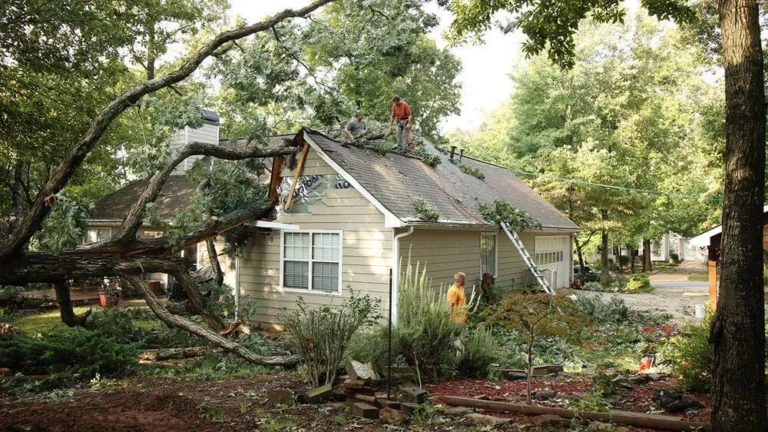
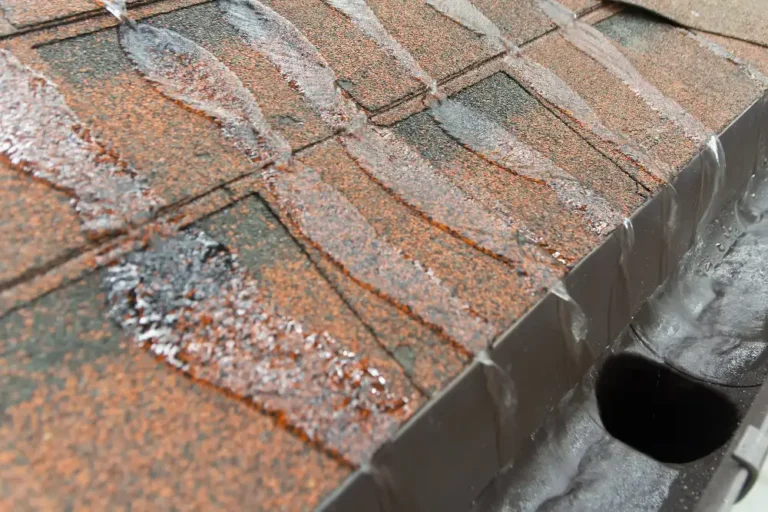
Homeowners in the Dallas-Fort Worth metroplex are facing a shifting landscape when it comes to property protection. As we move through 2026, many major insurance carriers have quietly adjusted how they value residential roofs, moving away from comprehensive coverage toward models that favor the insurer’s bottom line. This shift has created what industry experts call the “Insurance Age Trap,” a situation where a homeowner believes they are fully covered, only to discover a massive financial gap after a severe hailstorm.
Understanding the difference between Replacement Cost Value (RCV) and Actual Cash Value (ACV) is no longer just a technical detail for insurance agents; it is a critical piece of financial knowledge for every DFW resident. At Texas Best Roofing Solutions, we see the real-world consequences of these policy changes every day. By educating yourself on how depreciation affects your claim, you can avoid unexpected five-figure expenses when your roof eventually requires replacement.
Defining the Terms: RCV vs. ACV
To navigate the 2026 insurance market, one must first master the two primary ways insurance companies calculate a payout for a roof replacement.
Replacement Cost Value (RCV)
Replacement Cost Value is the gold standard for homeowners. Under an RCV policy, the insurance company agrees to pay the full cost of replacing your roof with new materials of like kind and quality, regardless of how old the roof was at the time of the damage. For example, if a severe hailstorm destroys a 12-year-old roof and the current market rate for a new roof is $20,000, an RCV policy will cover that $20,000, minus your deductible. The age of the shingles does not reduce the payout.
Actual Cash Value (ACV)
Actual Cash Value is a significantly different proposition. ACV policies pay only the "used" or depreciated value of the roof. If the same $20,000 roof is 12 years old and has a life expectancy of 20 years, the insurance company will deduct 60% of the value for wear and tear. In this scenario, the insurer might only pay $8,000. The homeowner is then responsible for the remaining $12,000, in addition to their standard deductible.

The 2026 “Insurance Age Trap” Explained
The “Insurance Age Trap” refers to a trend where carriers automatically convert an RCV policy to an ACV policy once a roof reaches a specific age. In the DFW area, this often occurs at the 10-year or 15-year mark. Many homeowners are unaware that this conversion has happened because it is often buried in the fine print of a policy renewal notice.
The 10-Year Creep
Some budget-friendly carriers have introduced a “10-year creep” where depreciation begins to accelerate aggressively after the first decade of the roof's life. While the policy may still technically be labeled as RCV, endorsements may be added that limit the “recoverable depreciation” for roofs over ten years old, effectively turning them into ACV policies for the most expensive components of the claim.
The 15-Year Cliff
For many high-end carriers, 15 years is the “cliff.” Once a roof reaches this age, the insurer may refuse to offer RCV coverage entirely. They may mandate an ACV endorsement as a condition of renewing the policy. In a region like North Texas, where wind and hail are frequent, a 15-year-old roof is statistically likely to have some level of storm damage, making this transition particularly risky for the homeowner.
The Financial Reality of a DFW Hail Claim
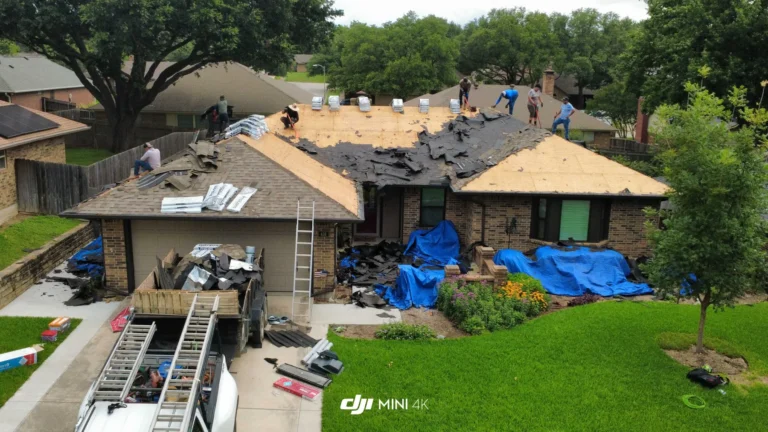
To illustrate the impact of the age trap, consider a typical residential property in Frisco or Plano. If a hailstorm occurs and a shingle roof replacement is required, the costs can escalate quickly.
Under an RCV policy, a homeowner with a 2% deductible on a $500,000 home would pay $10,000 out of pocket. The insurance company covers the rest of the $25,000 roof replacement.
Under an ACV policy for a 14-year-old roof, the insurance company may determine the roof has lost 70% of its value. They would calculate the $25,000 replacement cost, subtract $17,500 for depreciation, and then subtract the $10,000 deductible. In this case, the insurance payout would be zero, and the homeowner would be responsible for the entire $25,000 bill. This is the reality many DFW homeowners are facing in 2026 as they attempt to navigate storm damage roof repair.

Why DFW is a Target for Policy Changes
The Dallas-Fort Worth area is frequently cited as one of the most expensive regions for property insurance in the United States. The frequency of high-velocity wind and large-diameter hail has forced carriers to seek ways to limit their exposure. By pushing more homeowners onto ACV policies or implementing strict "roof payment schedules," insurers transfer the financial risk of roof aging back to the property owner.
Furthermore, recent changes in lending guidelines now allow mortgage companies to accept ACV coverage on residential properties. Previously, most lenders required RCV to protect their investment. This regulatory shift has opened the door for carriers to offer lower-premium ACV policies that appear attractive on the surface but offer significantly less protection during a catastrophe.
How to Identify Your Policy Type
Determining whether you are at risk of the age trap requires a careful review of your insurance declarations page and any attached endorsements. Homeowners should look for the following keywords:
- Replacement Cost: This indicates you have the preferred coverage, but you must check if there is an age limit.
- Actual Cash Value (ACV): This indicates your roof is depreciated, and you will likely face high out-of-pocket costs.
- Roof Payment Schedule: This is a modern hybrid where the insurer pays a predetermined percentage based on the age of the roof, regardless of actual repair costs.
- Non-Recoverable Depreciation: This is a red flag that you will not be reimbursed for the age-related value lost during a claim.
How Texas Best Roofing Solutions Protects You
Navigating insurance paperwork can be overwhelming, especially when carriers use complex terminology to describe coverage limits. Texas Best Roofing Solutions provides several specialized services to help DFW homeowners stay informed and protected.
Free Roofing Inspections
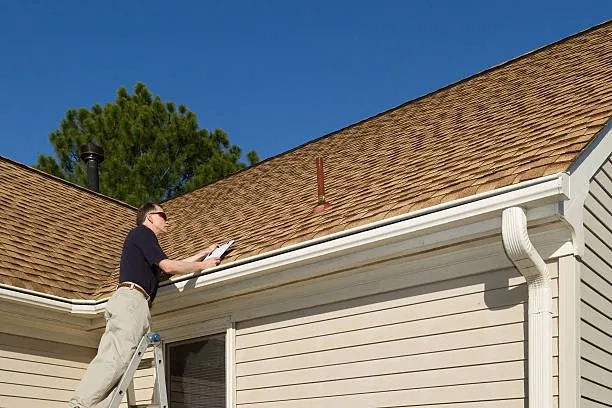
The first step in any residential roofing project is a thorough assessment. We offer FREE Roofing Inspections to evaluate the current condition of your roof. If we find storm damage, we can provide the documentation your insurer needs to process a claim efficiently. If your roof is simply reaching the end of its functional life, we can provide an honest assessment of how much time you have before a replacement becomes necessary.

Precision and Integrity in Every Project
At Texas Best Roofing Solutions, our USP is simple: We fix your roof right the first time. As a trusted, family-owned and operated local company in DFW, we focus on quality service, the best materials, and expert installers. Whether you need a minor roof repair or a full replacement, we provide the precision required to protect your largest investment.
The 2026 insurance market is challenging, but you do not have to navigate it alone. By staying proactive and understanding the "Insurance Age Trap," you can ensure that your home remains a safe and secure asset for years to come.
For a professional consultation or to schedule your free inspection, contact Texas Best Roofing Solutions today. Let us help you ensure your roof: and your insurance policy: are ready for whatever the Texas sky brings next.
Need a clear next step for your roof?
Texas Best Roofing Solutions helps Burleson and nearby DFW homeowners with inspections, repairs, replacements, storm damage, and active roof leaks.
Roofing documentation and estimates
Texas Best Roofing Solutions can inspect and document roofing conditions, take photographs, prepare a roofing repair or replacement estimate, provide technical information, and discuss the roofing scope with the insurer or adjuster. The insurance company determines coverage under the policy.