8 Things to Check After a Hailstorm Before Calling a Roofer
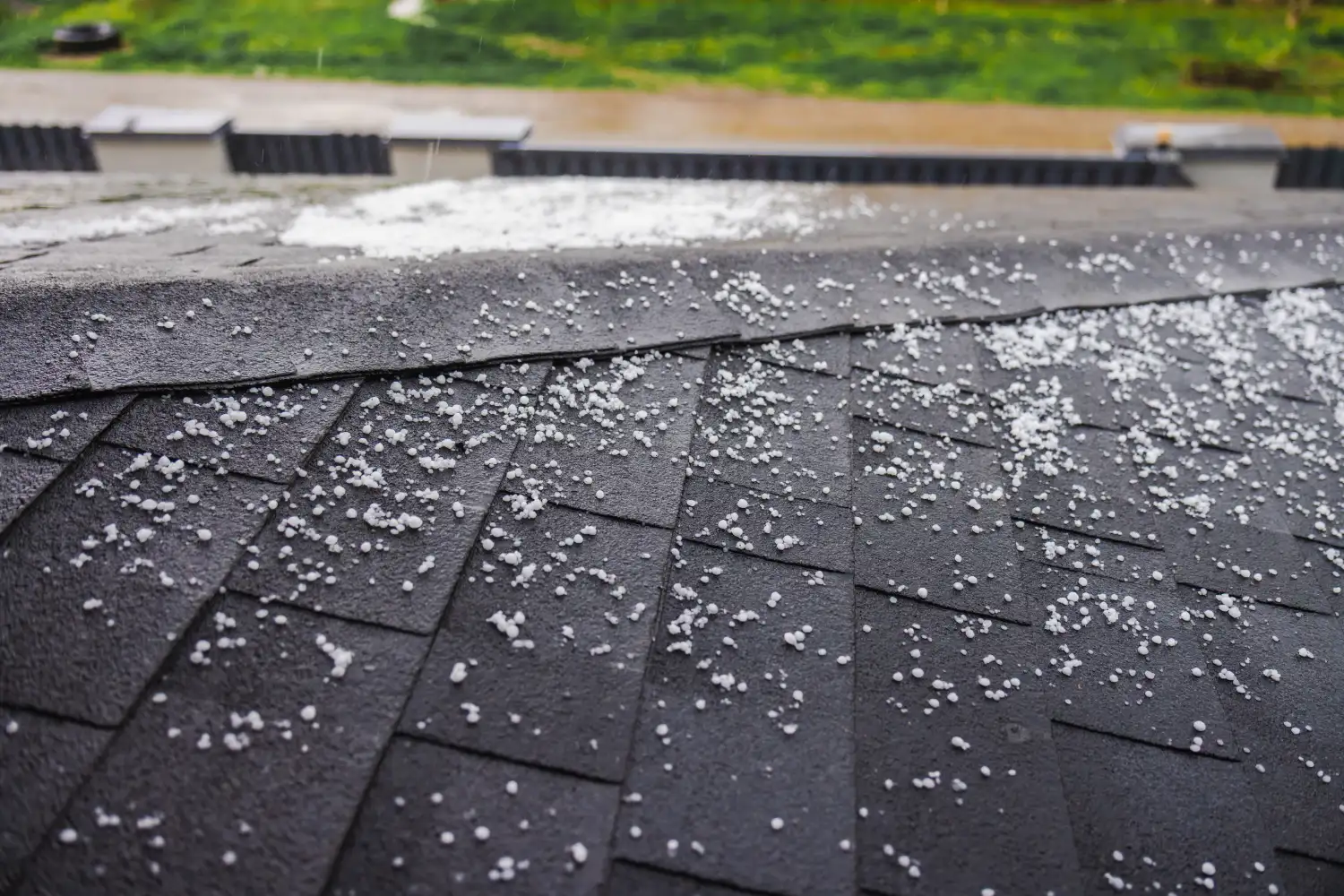
Hail is a fact of life in Texas, with the Lone Star State experiencing 902 hail events in 2025. Another hard fact is that even a single storm can leave your roof in trouble. Hailstones crack shingles, dent metal, and loosen the materials that keep water out and your home safe. Some hailstorm damage is obvious, but other roof damage hides until a leak appears weeks later.
The good news is that you can still spot many warning signs from the ground. You don’t need to climb onto your roof or put yourself at risk. A quick walk around your property can help you spot issues. The goal is to gather enough details to give your roofer so they can provide an estimate and plan repairs.
Here are eight important things to look for before scheduling a professional roof inspection after a hailstorm.
1. Check for Missing or Damaged Shingles
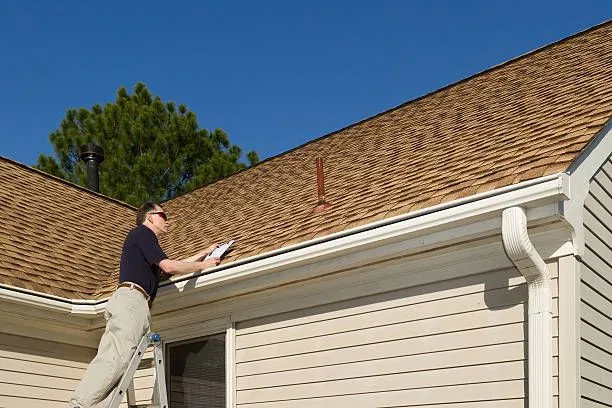
Your roof shingles take the most direct hits during a storm. Hail can crack or bruise them, and strong winds can lift or tear them loose. Stand at a safe distance or use binoculars to look for damaged roof shingles. Watch for missing pieces, cracks, curled edges, or dark spots where the protective granules may have been knocked away.
Checking for hail-damaged shingles matters because they can let water reach the layers underneath. Over time, that moisture can lead to rot, mold, and bigger repairs. Mold is also known to cause several health issues, including an itchy, runny nose, coughing, and even wheezing.
If you notice anything unusual, write it down and take a photo. Then have a professional look at any suspected roof damage after the hailstorm. They’re the right people to decide whether you need roof repair and how much.
2. Look for Dents in Gutters and Downspouts
Your gutters and downspouts can tell you a lot about how hard the hail hit. Metal drainage parts dent easily, so walk around your home and look for hail damage on gutters. You’ll typically see damage like small dings, dimples, or impact marks along the edges and sides.
While at it, check for dented downspouts too, especially on the sides of your home that faced the storm. If the hail was strong enough to dent metal, it may have damaged your roof as well. That makes a closer inspection your smart next step.
Gutter damage deserves attention after every hail or storm since bent or loose gutters may not drain water properly. That can lead to overflow, foundation problems, or more hailstorm damage over time.
3. Inspect Siding, Windows, and Other Exterior Areas
If you think hail only hits your roof, you’re wrong. It can also strike your siding, window screens, trim, and other exposed surfaces. As you walk around your home, look for hail damage to siding, such as dents, cracks, holes, or chipped paint. Check your window screens for tears or stretched spots, and look at window frames for impact marks.
Thoroughly check this hailstorm exterior damage because it gives you extra clues about how strong the storm was and which direction it came from. If one side of your home shows a lot of damage, the matching side of your roof may have taken a beating too.
Take clear photos of any storm damage you find. These images will be useful during a professional hail damage inspection and when filing your claim.
4. Check for Water Stains Inside the Home
Some signs of roof trouble show up inside your home. Damaged roofing can let water in during the storm or in the days that follow. Walk through each room, especially the top floor and the attic if you can reach it safely, to look for moisture.
Common signs of a roof leak after a hailstorm include ceiling water stains, damp spots on walls, peeling or bubbling paint, and dripping water. Pay close attention to any stains that look new or seem to be spreading.
Even a small stain can point to a hail-damage-related roof leak that will most likely get worse with time. If you find an active leak, act quickly. Place a bucket under drips, move your belongings out of the way, and contact a professional to help limit interior water damage.
5. Look for Damage to Outdoor Equipment and Structures
Hail can affect almost anything left outside. Take a few minutes to check your yard and surrounding areas for outdoor hail damage. Look at patio covers, sheds, pergolas, fences, and your outdoor air-conditioning unit. The thin metal fins on AC units bend easily, so dents there are a common sign of hailstorm property damage.
These details help you see the full picture of how the storm affected your property. They also make your storm damage inspection more complete, which can be helpful when you talk to roofing contractors or your insurance company to file a claim.
Before you clean up or fix anything, take photos. Good hail damage documentation captures the damage as the storm left it, before any repairs change what you see.
6. Check for Debris and Drainage Issues
Storms often leave a mess behind. Branches, leaves, and other debris can collect on your roof and in your gutters. From the ground, look for roof debris after storm activity. This may include fallen limbs resting on the roof or piles of leaves near the edges.
If you can, watch your gutters during the next rain. Water spilling over the sides or pooling near your foundation may indicate clogged gutters or blockages. Left alone, these roof drainage problems can push water back under your roofing materials.
You can safely clear debris you can reach from the ground, such as branches in your yard or clogs at the bottom of a downspout. For anything on the roof itself, call a professional. Removing debris from a storm-damaged roof can be risky without the right equipment.
7. Review Photos and Document Visible Damage
After walking around your property, organize what you found. Good hail damage documentation helps you keep track of every affected area and makes conversations with roofers and your insurer much easier.
Take clear roof damage photos from safe spots on the ground. Take wide shots to show the location and close-ups to show details. Do the same for gutters, siding, windows, and outdoor equipment.
Note the storm date and any damage that appeared afterward. Keep these storm damage records in one folder, along with receipts for any emergency fixes. Keeping everything in one place can simplify your repair estimates and any hail damage insurance claim you decide to file.
8. Know When to Contact a Professional Roofer
Your ground-level checks are helpful, but they cannot show everything. Some damage, like bruised shingles or weakened seals, is hard to see without getting up close. That is why a professional hail damage roof inspection is so valuable.
Call a roofing contractor if you suspect damaged shingles, notice an active leak, or see significant damage to your gutters, siding, or outdoor equipment. A trained roofer can safely check your roof, find hidden problems, and recommend the right roof repair for your situation.
If you live in Texas, Texas Best Roofing Solutions offers roof inspections and storm damage roof repair services. We help you understand your roof’s condition and plan your next steps with confidence.
Inspect, Document, and Call a Pro After Hail Damage
After a hailstorm, taking a careful walk around your home can tell you a lot. Check your shingles, gutters, siding, windows, outdoor equipment, and drainage. Then look inside for water stains. Document everything with clear photos and notes, and keep watching for new leaks in the days after the storm.
Leave the roof itself to the professionals. A professional roof inspection is the safest way to find hidden hail damage before it grows. If you suspect damage, contact Texas Best Roofing Solutions to schedule an inspection.
We’re a customer-focused roofing company, serving homeowners across Burleson and nearby DFW communities. Our team helps you protect your home with professional repair, replacement, inspections, and storm damage services.
Contact us today to schedule your roof damage assessment.