ACV Vs RCV Explained: Why Your DFW Insurance Claim Might Be Underpaid
For homeowners in the Dallas-Fort Worth metroplex, storm season is a recurring reality that brings significant anxiety regarding property maintenance. When a severe hailstorm rolls through Tarrant or Dallas County, the first concern is often the integrity of the roof. However, the second concern: and arguably the more complex one: is the insurance claim process. Many residents assume that having a "full coverage" policy means the insurance company will simply pay for a new roof if damage occurs. Unfortunately, the nuances of policy language, specifically the difference between Actual Cash Value (ACV) and Replacement Cost Value (RCV), can lead to unexpected out-of-pocket expenses and underpaid claims.
Understanding these terms is not just a matter of semantics; it is the difference between a fully funded restoration and a financial burden that falls on the homeowner. Texas Best Roofing Solutions aims to clarify these concepts so that homeowners can navigate their claims with confidence and ensure their homes are protected after a storm.
Understanding Actual Cash Value (ACV)
Actual Cash Value is a standard of valuation that considers the age and condition of the property at the time of the loss. In the context of a roofing system, ACV is calculated by determining the current replacement cost of the roof and then subtracting depreciation. Depreciation is the decrease in value of an asset over time due to wear, tear, and age.
For example, if a roof has an expected lifespan of 20 years and it is 10 years old when a storm hits, the insurance company may determine that the roof has lost 50% of its value. If the cost to replace the roof is $20,000, an ACV policy would only pay out $10,000, minus the homeowner's deductible. This leaves the homeowner responsible for the remaining $10,000 plus their deductible.
Many homeowners opt for ACV policies because they typically offer lower monthly premiums. However, this upfront savings can be a false economy when major hail damage roof repair Fort Worth becomes necessary. In a region where large-diameter hail is common, an ACV policy often results in the homeowner bearing a significant portion of the repair costs.
Explaining Replacement Cost Value (RCV)
Replacement Cost Value is generally considered the more comprehensive coverage option for North Texas homeowners. An RCV policy is designed to cover the actual cost of replacing the damaged property with a new version of similar kind and quality, without any deduction for depreciation.
The payout process for an RCV claim usually occurs in two stages. First, the insurance company issues a check for the ACV amount of the damage. This provides the initial funds to start the project. Once the work is completed and an invoice is submitted to the insurance provider, the company releases the "recoverable depreciation." This second payment covers the gap between the initial ACV check and the total cost of the replacement.
While RCV policies have higher premiums, they provide a much higher level of financial security. When a homeowner needs a professional insurance claim specialist DFW to help manage a large loss, having an RCV policy ensures that the primary financial responsibility remains with the insurer rather than the homeowner’s savings account.
Why DFW Insurance Claims are Often Underpaid
Even with a seemingly straightforward policy, many DFW homeowners find that their initial claim offers are lower than expected. There are several reasons why this underpayment occurs, often stemming from how adjusters calculate the scope of work.
- Missed Damage: During a high-volume storm season, insurance adjusters are often stretched thin, moving quickly from one property to another. It is common for subtle signs of damage, such as fractures in the shingle matting or compromised flashing, to be overlooked.
- Inaccurate Pricing Data: Most insurance companies use software like Xactimate to estimate repair costs. If the software is not updated with current local labor rates or material costs in the Fort Worth area, the estimate will be lower than what a local contractor actually charges.
- Code Upgrades: Building codes in cities like Burleson or Midlothian may have changed since the home was built. If a policy does not include "Law and Ordinance" coverage, the insurer might refuse to pay for necessary upgrades required by local building departments.
- Improper Depreciation: Adjusters may sometimes apply depreciation to items that should not be depreciated or use an aggressive schedule that undervalues the remaining life of the roof.

Stan Short’s Insurance Background
Navigating these complexities is where Texas Best Roofing Solutions provides a unique advantage to our clients. We recognize that the insurance process can feel like a "black box" to most homeowners. Our owner, Stan Short, previously worked as a licensed insurance adjuster. We document roof conditions and explain roofing findings clearly.
When we review a policy or a claim summary, we aren't just looking at it from a contractor’s perspective; we are looking at it through the lens of insurance compliance and valuation.
Having an insurance claim specialist DFW who has sat on the other side of the desk allows us to identify discrepancies that others might miss.
The Importance of a Free Roofing Inspection DFW
The claim process should never begin with a phone call to the insurance company; it should begin with a professional assessment. Filing a claim that is later denied can still count against a homeowner's claims history in some instances.
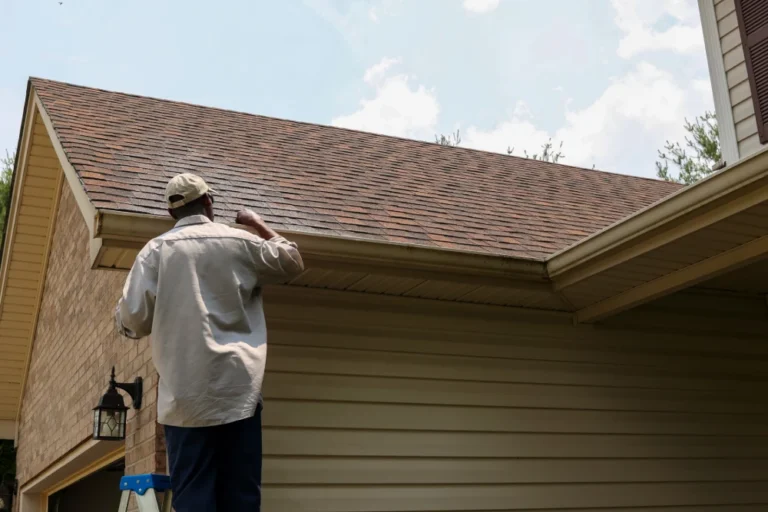
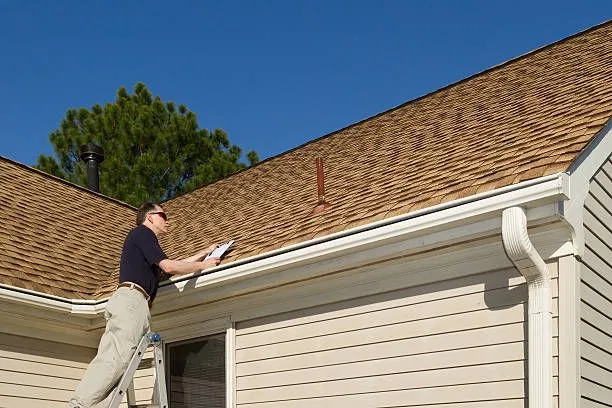
A free roofing inspection DFW from a reputable contractor allows for a detailed documentation of the damage before the insurance adjuster arrives. By taking photos, marking damaged areas, and creating a comprehensive report, we provide the homeowner with the evidence needed to support their claim. This proactive approach sets the stage for a fair valuation from the start, reducing the likelihood of a significant underpayment.
Addressing Roof Leak Repair DFW and Secondary Damage
When a claim is underpaid, homeowners often try to save money by opting for minor repairs rather than a full replacement. While this might seem like a budget-friendly move, it often leads to recurring issues. Inadequate roof leak repair DFW can result in moisture accumulation in the attic, which leads to mold growth, structural wood rot, and compromised insulation.
Furthermore, if an insurance company only pays for a partial repair on an ACV policy, the homeowner may find that the new patches do not match the aged shingles, leading to "aesthetic distress" and a decrease in the home's curb appeal and resale value. By ensuring the claim is paid correctly at the RCV rate, homeowners can afford to do the job right the first time, preserving the structural integrity of their investment.
Recoverable vs. Non-Recoverable Depreciation
It is vital for homeowners to check their policy declarations page to see if their depreciation is "recoverable." On an RCV policy, depreciation is recoverable, meaning you get that money back once the work is done. On an ACV policy, the depreciation is non-recoverable, meaning that value is gone forever.
For those in areas like Burleson or Midlothian, where property values have seen significant shifts, understanding this distinction is crucial for long-term financial planning.
Conclusion: Empowering the Homeowner
The difference between ACV and RCV is one of the most significant factors in the financial health of a roofing project. While the insurance industry can be difficult to navigate, homeowners do not have to do it alone. By combining technical roofing expertise with the specialized knowledge of a former insurance adjuster, Texas Best Roofing Solutions ensures that DFW residents are not left footing the bill for damage that should be covered by their premiums.
If you suspect your roof has been damaged or if you have received a claim estimate that seems low, it is time for a professional second opinion. Being informed is the first step toward ensuring your home remains a safe, dry, and valuable asset for years to come.
For a detailed evaluation of your roof and a review of your claim needs, contact us today. We are here to provide the clarity and support you need to restore your home after the storm.
As a roofing contractor, Texas Best Roofing Solutions does not act as a public adjuster or negotiate insurance claims. The insurance company determines coverage under the policy.
Roof damage or a leak? Talk to Stan Short.
Call (817) 919-4310 or request a roof inspection.