After the Storm: Emergency Roof Tarping and Repair in Burleson
When a North Texas storm damages your roof, the first priorities are safety, limiting interior damage, and getting clear roofing guidance as soon as conditions are safe.
Homeowner guide
When a North Texas storm damages your roof, the first priorities are safety, limiting interior damage, and getting clear roofing guidance as soon as conditions are safe.
What to do right after a storm
- Stay off the roof during rain, lightning, high wind, or when surfaces may be slippery.
- Move furniture, electronics, and valuables away from active leaks.
- Use buckets, towels, or containers to collect dripping water when it is safe to do so.
- Take photos of visible interior damage, ceiling stains, debris, and any exterior damage you can document safely from the ground.
When emergency tarping may be needed
- Emergency tarping can help reduce water entry when shingles, decking, flashing, or roof coverings are compromised.
- A tarp is temporary protection, not a permanent repair. It gives the homeowner time to schedule proper inspection and repair.
- Roof tarping should be handled safely because storm-damaged roofs may be unstable or slippery.
How Texas Best Roofing Solutions helps
- We help Burleson-area homeowners understand visible roof damage, leak risks, temporary protection needs, and repair or replacement next steps.
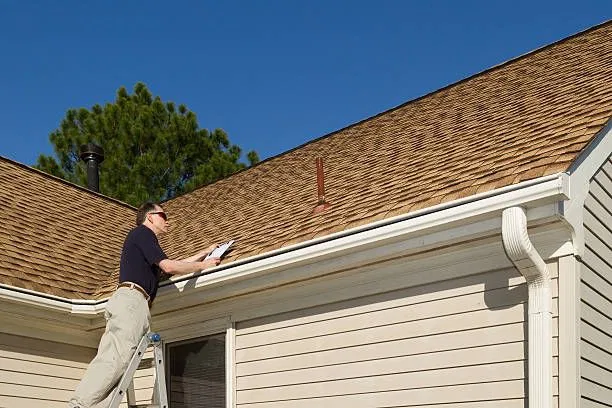
- We can inspect storm-related concerns around shingles, flashing, vents, pipe boots, roof penetrations, and drainage areas.
Helpful related pages
Emergency roof repairStorm damage roof repairRoof repair in Burleson
Need help with your roof?
Texas Best Roofing Solutions helps Burleson-area homeowners understand roof repair, roof replacement, inspections, storm damage, and emergency leak concerns.
Storm-damage next steps
Emergency tarping is temporary protection. The permanent next step should follow a storm-damage inspection and written scope.
Burleson hail and wind homeowner guideStorm-damage inspection and repair service
Temporary protection and permanent repair
Emergency tarping can help limit water entry after storm damage, but the roof still needs inspection and a written permanent repair or replacement scope.
Active-leak homeowner stepsEmergency inspection and repair serviceStorm-damage service
What this means for homeowners
This guide is about emergency roof leaks and storm response. For Burleson-area homeowners, the most useful roofing information is practical: what to look for, when to take action, and how to avoid turning a manageable issue into a larger repair.
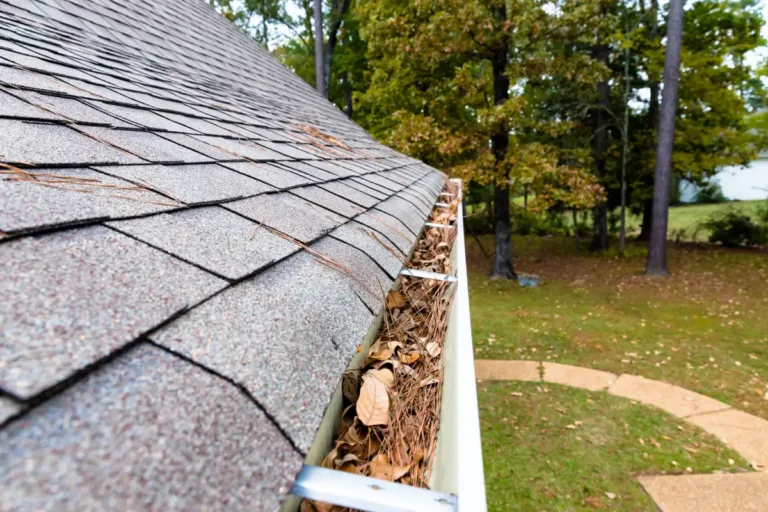
North Texas weather can change roof conditions quickly. Hail, wind, heat, and heavy rain all affect shingles, flashing, vents, gutters, and roof edges. Even when the roof looks normal from the ground, the details can tell a different story.
What to check before you call
You do not need to climb on the roof. In fact, homeowners should avoid walking on a wet, steep, storm-damaged, or aging roof. A few safe observations can still help the first conversation.
- Look for ceiling stains, new drips, attic moisture, or musty areas after rain.
- Check the yard, driveway, and downspouts for shingle granules or roofing debris.
- Notice whether neighbors had hail, wind, or roof work after the same storm.
- Take photos of visible damage from the ground if it is safe.
- Write down when the problem started and whether it followed a storm.
Questions related to this roofing topic
These general answers help homeowners decide what to do next. The right recommendation depends on the actual roof condition.
Can this be repaired?
Often, yes. If the issue is isolated to a small area, a repair may make sense. If damage is widespread or the roof is near the end of its service life, replacement may be more practical.
What if there is no active leak?
A roof can have storm or wear damage before water reaches the interior. Early inspection can help prevent future leaks and gives the homeowner better information.
How do I choose the next step?
Start with a clear inspection and ask for plain-language findings. A good recommendation explains what is urgent, what can wait, and what options fit the roof’s condition.
Need help applying this to your roof?
Texas Best Roofing Solutions helps Burleson and nearby DFW homeowners with inspections, repair, replacement, storm damage, and emergency leak concerns.