Roof Repair in Burleson After a Storm: What Homeowners Should Check
North Texas storms can leave roof damage that is easy to miss from the ground. A safe visual check and a professional inspection can help catch issues before leaks spread.
Homeowner guide
North Texas storms can leave roof damage that is easy to miss from the ground. A safe visual check and a professional inspection can help catch issues before leaks spread.
Start with a safe ground-level check
- Do not climb onto a wet or storm-damaged roof.
- Look for missing shingles, lifted edges, loose flashing, granules near downspouts, damaged vents, and debris impact marks.
- Inside the home, check ceilings, attic areas, and walls for new water stains.
Common storm-related roof repairs
- Replacing missing or creased shingles.
- Sealing or replacing damaged flashing.
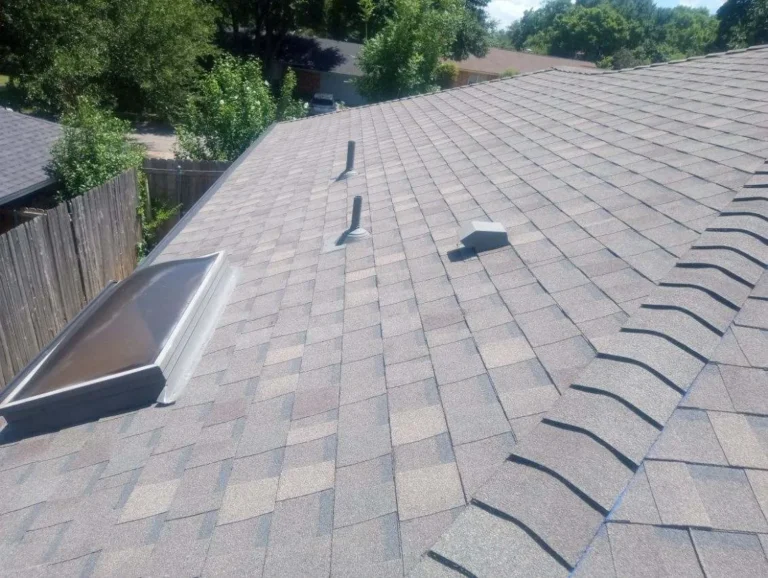
- Repairing roof leaks around vents, chimneys, and skylights.
- Addressing hail or wind damage before water intrusion spreads.
- Checking gutters and drainage after heavy rainfall.
When repair may not be enough
- If the roof is older, has widespread storm damage, or has repeated leaks, replacement may be more practical than another short-term repair.
Helpful related pages
Need help with your roof?
Texas Best Roofing Solutions helps Burleson-area homeowners understand roof repair, roof replacement, inspections, storm damage, and emergency leak concerns.
Storm-damage next steps
After-storm repair decisions should connect visible conditions to a documented service recommendation and a durable repair or replacement scope.
Burleson hail and wind homeowner guideStorm-damage inspection and repair service
What this means for homeowners
This guide is about roof repair decisions after storm, age, or leak concerns. For Burleson-area homeowners, the most useful roofing information is practical: what to look for, when to take action, and how to avoid turning a manageable issue into a larger repair.
North Texas weather can change roof conditions quickly. Hail, wind, heat, and heavy rain all affect shingles, flashing, vents, gutters, and roof edges. Even when the roof looks normal from the ground, the details can tell a different story.
What to check before you call
You do not need to climb on the roof. In fact, homeowners should avoid walking on a wet, steep, storm-damaged, or aging roof. A few safe observations can still help the first conversation.
- Look for ceiling stains, new drips, attic moisture, or musty areas after rain.
- Check the yard, driveway, and downspouts for shingle granules or roofing debris.
- Notice whether neighbors had hail, wind, or roof work after the same storm.
- Take photos of visible damage from the ground if it is safe.
- Write down when the problem started and whether it followed a storm.
Questions related to this roofing topic
These general answers help homeowners decide what to do next. The right recommendation depends on the actual roof condition.
Can this be repaired?
Often, yes. If the issue is isolated to a small area, a repair may make sense. If damage is widespread or the roof is near the end of its service life, replacement may be more practical.
What if there is no active leak?
A roof can have storm or wear damage before water reaches the interior. Early inspection can help prevent future leaks and gives the homeowner better information.
How do I choose the next step?
Start with a clear inspection and ask for plain-language findings. A good recommendation explains what is urgent, what can wait, and what options fit the roof’s condition.
Need help applying this to your roof?
Texas Best Roofing Solutions helps Burleson and nearby DFW homeowners with inspections, repair, replacement, storm damage, and emergency leak concerns.