How to Document Roof Damage After a Hailstorm
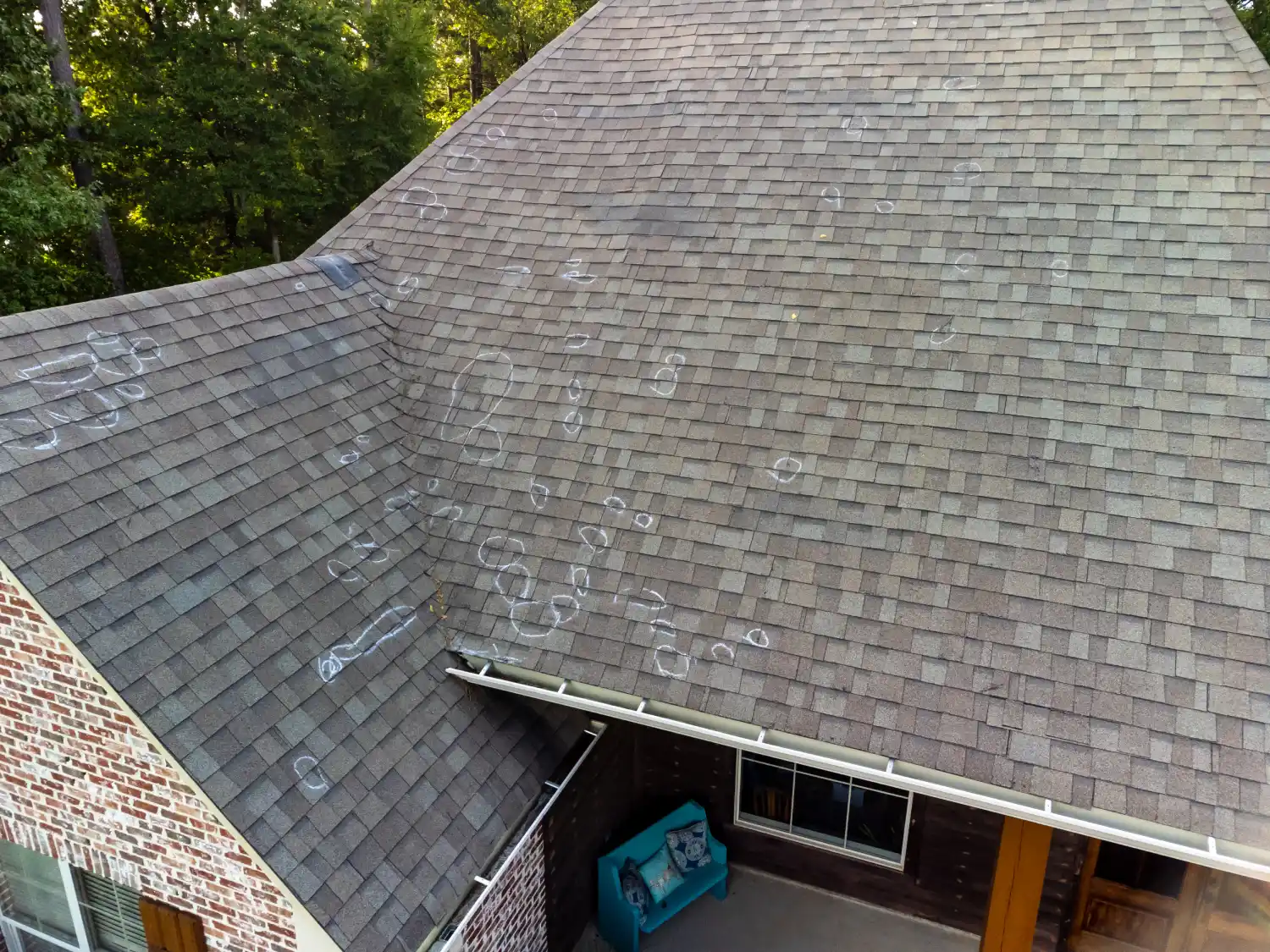
As a Texan, you’re probably no stranger to hailstorms. A hailstorm may pass in just a few minutes, but the damage it inflicts on your home can last much longer. Hailstones can crack or bruise shingles, dent flashing, bend gutters, and loosen other parts of your roof.
In fact, Texas ranks as the most at-risk state for hail damage, with approximately 8 million homes exposed and a combined reconstruction value exceeding $3.1 trillion. Dallas and Houston are among the highest-risk metro areas nationwide, while Austin and San Antonio also rank in the top 10.
That makes a hail-damaged roof a real concern for any homeowner. Much of this damage is hard to see from the ground, so you may not know anything is wrong until a leak appears weeks later.
That’s why hail damage documentation matters. Good records help you plan repairs and can support an insurance claim if you decide to file one. This guide walks you through safe, practical steps for recording roof damage after a hailstorm.
1. Check Your Property for Visible Signs of Hail Damage
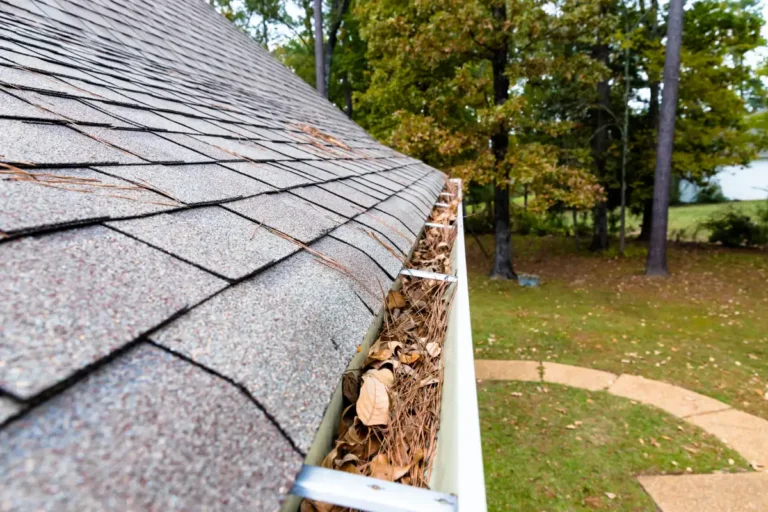
Once the storm has passed and it’s safe to go outside, walk around your property and look for clear signs of hail damage on your roof and nearby surfaces. Common signs include dented gutters, cracked or missing shingles, granules collecting near downspouts, and chipped or marked siding.
Look closely at your windows, window screens, downspouts, vents, outdoor air conditioning units, fences, and patio furniture. Dents and impact marks on these surfaces often mean your roof took hits too. They also provide useful clues about how hard the hail fell and where you might find hail-damaged shingles.
However, stay safe throughout this step. Don’t climb onto your roof to inspect it yourself. Wet, damaged, or steep roofs are dangerous, and a trained professional can handle a full roof damage inspection safely.
2. Take Photos and Videos of the Damage
Clear photos and videos are one of the best ways to document hail damage. They help you capture the condition of your home soon after the storm, before weather or time changes what you see. That visual record can be very helpful for contractors and insurance adjusters.
Take photos of any visible roof damage from a safe spot, such as the ground, your yard, or a window that looks out over the roof. If your phone or camera has a zoom feature, use it to capture details. Roof damage pictures also include damaged gutters, siding, windows, ceilings, and other affected areas. Take both wide shots and close-ups.
Keep the original files whenever you can, because they usually hold the date and time data. Sort your images into folders by location or damage type so your storm damage documentation is easy to share.
3. Record the Date and Details of the Hailstorm
Writing down the date and approximate time of the storm gives your records a clear timeline. That makes it easier to connect the damage you find to a specific weather event.
Keep a simple written log. Note which parts of your property were hit, how large the hail looked if you saw it, and any damage you noticed in the hours or days afterward. Over time, this log becomes a helpful hailstorm damage report for your household.
If you can, save weather alerts, local news coverage, or local storm reports from your area. Screenshots can work. Together, these roof damage records keep your documentation organized and can support an insurance claim by showing when and where the storm hit. A clear storm damage report also helps your contractor understand what happened.
4. Document Interior Damage and Water Leaks
Hail damage doesn’t always stay on the outside of your home. Cracked shingles or damaged flashing can let water in, which can lead to interior damage from roof leaks that build up over time.
Check your attic, ceilings, and upper walls. Photograph any ceiling water damage, such as stains or discoloration, along with damp walls, peeling or bubbling paint, and any damaged belongings like furniture, rugs, or stored items. These photos add to your overall storm damage documentation.
Write down when you first noticed the damage and whether water came in during the storm or afterward. These details help explain how a hail-damage roof leak developed. Also, deal with active leaks right away. Even a small drip can quickly damage drywall and insulation and may lead to mold.
5. Keep Repair Estimates and Related Records
As you start working toward repairs, the paperwork will pile up quickly. Saving every roof inspection report and job estimate helps you compare options and understand the scope of the hail damage repair you need.
Keep receipts for any emergency repairs or temporary protective measures, such as tarps, buckets, or water cleanup supplies. These costs may matter later, depending on your insurance policy.
Save copies of your contractor communications, including emails, text messages, and written proposals. Keep any relevant insurance documents too, such as policy pages and claim correspondence. Store all your roof damage records in one place, like a labeled folder or a dedicated digital file, so you can find what you need quickly.
6. Arrange a Professional Roof Inspection
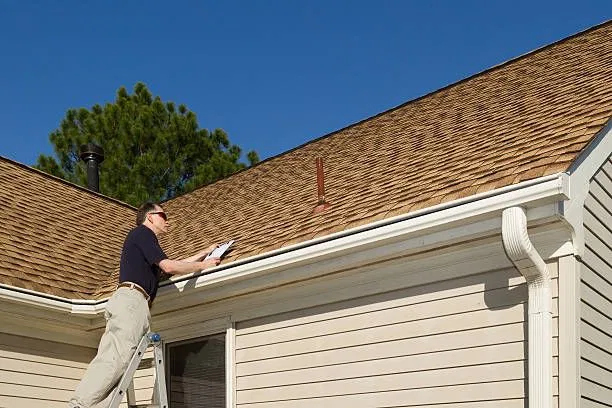
Getting a professional roof inspection is one of the most important steps you can take after a storm. Trained roofers know how to spot subtle damage, like bruised shingles or small fractures, that is very hard to see from the ground.
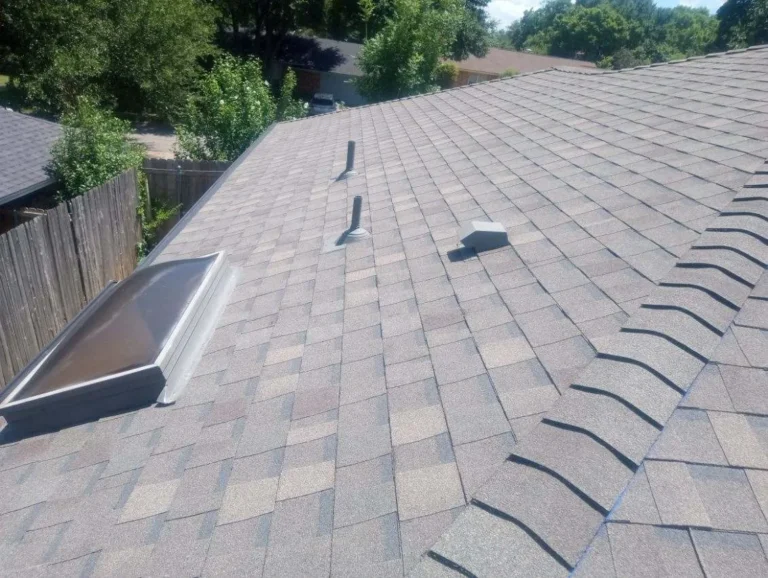
During a hail damage roof inspection, a professional typically checks your shingles, flashing, vents, gutters, and other roof components for impact damage and weak spots. This careful hail damage assessment gives you a much fuller picture than a ground-level check can.
Ask for written findings and photographs whenever they’re available. These documents strengthen your records and give you a clear explanation of the damage. Inspection also helps you understand which roof repair work is needed, so you can make well-informed decisions about your home.
7. Understand the Roof Damage Insurance Claim Process
If you’re thinking about filing a hail damage insurance claim, start by reviewing your policy. Look for details on coverage, deductibles, and any reporting requirements that apply to storm damage.
When your insurer asks for documentation, be ready to send your photographs, storm details, inspection findings, and repair estimates. Organized hail damage documentation can make the claim process smoother for everyone involved.
Contact your insurance provider promptly and follow any deadlines in your policy. Waiting too long could affect your storm damage claim. Keep in mind that coverage depends on your policy terms and the specific circumstances of the damage. If you’re unsure about anything, ask your insurance representative to explain it.
8. Protect Your Home While Waiting for Repairs
Once you’ve found hail-related roof problems, your next priority is to limit further damage while you wait for professional hail damage roof repair. Take these simple steps to protect your home and belongings.
- Move belongings away from leaks
- Place buckets or containers under drips
- Cover valuable items with plastic sheeting
If new stains or leaks show up, document them with photos and notes, just as you did before. When needed, arrange temporary roof protection, such as professional tarping, or schedule emergency roof repair to keep water out.
Most importantly, avoid climbing onto a damaged roof or trying unsafe repairs yourself. Leave storm damage repair work to qualified professionals who have the right equipment and training.
Document the Hail Damage and Protect Your Roof
Documenting roof hail damage doesn’t have to feel overwhelming. When you record visible damage, interior issues, storm details, and repair records, you build a clear picture of what happened. Careful documentation, including photos and written notes, helps you organize roof repair work and keep insurance information on track.
However, put safety first, and rely on a professional hail damage roof inspection for anything you can’t see from the ground. Dealing with damage promptly helps prevent bigger problems later. If you need help assessing or repairing your roof, Texas Best Roofing Solutions is here to help.
We serve homeowners in Burleson, Crowley, Joshua, Cleburne, Alvarado, Mansfield, Godley, and nearby DFW communities, offering roof inspections, storm damage repair, and emergency roof repair when you need it most.
Want to get your roof fixed? Book your roof repair service today.