7 Things to Do After Your Roof Suffers Storm Damage
The storm passes, the sky clears, and your house looks fine from the driveway. But up on the roof, a lifted shingle, a hail bruise, or a loosened piece of flashing may already be giving water a way in.
Texas has been the hail damage capital of the country for 11 years running. If your storm has survived the storms so far, it likely won’t survive all the ones to come.
Acting fast after a storm protects your home from water damage, keeps your insurance paperwork in order, and tells you whether you need a repair or just peace of mind. Here are seven steps Burleson and DFW homeowners can take to stay safe, spot the signs of roof storm damage, and decide what to do next before the next system rolls in.
1. Check for Immediate Safety Hazards
High winds, hail, heavy rains, and falling debris are capable of wreaking absolute havoc on a North Texas home. Unfortunately, the damage to your roof may not be easily noticed or diagnosed while standing on the ground and looking up. However, if it’s ignored, storm roof damage may lead to leaks, structural damage, and more expensive repairs.
Act promptly following severe storms, but avoid rushing into unsafe areas. The end point is a safer, protected home, documentation of the roof damage, and time for decision-making.
- Look for hazards before inspecting damage.
- Stay off a storm-damaged roof.
- Address active leaks safely.
- Schedule a professional roof inspection.
Quick action will help limit further damage, but safety should always come first. Roof damage after a storm may involve missing shingles, damaged flashing, loosened roofing materials, or water intrusion that requires professional attention.
2. Check for Immediate Safety Hazards
Before you do anything else, look for hazards around the property. Severe storms can leave behind unstable tree limbs, downed power lines, loose shingles, damaged electrical components, and a compromised roof structure.
- Stay away from downed or sagging power lines.
- Avoid tree limbs resting on the roof.
- Keep clear of loose roofing materials.
- Do not climb onto the roof.
- Call emergency services when a serious hazard is present.
Treat any downed power lines and anything touching them as severely dangerous and report them to the appropriate utility or emergency authority. Keep in mind as well, a damaged roof after a storm can be slippery, weakened, or unstable even if it looks perfectly fine and accessible. A roof safety inspection should begin from the ground first, working up from there.
3. Inspect Your Property for Visible Roof Damage
Once the area is safe, inspect the roof and exterior from the ground. Use binoculars if you have them, and look at the roof from more than a single angle. Wind damage to a roof can crease, lift, or completely remove asphalt shingles, while hail damage to a roof can create dents, bruising, and granule loss that may not be immediately obvious.
- Look for missing or broken shingles.
- Check for curling shingles and bare patches.
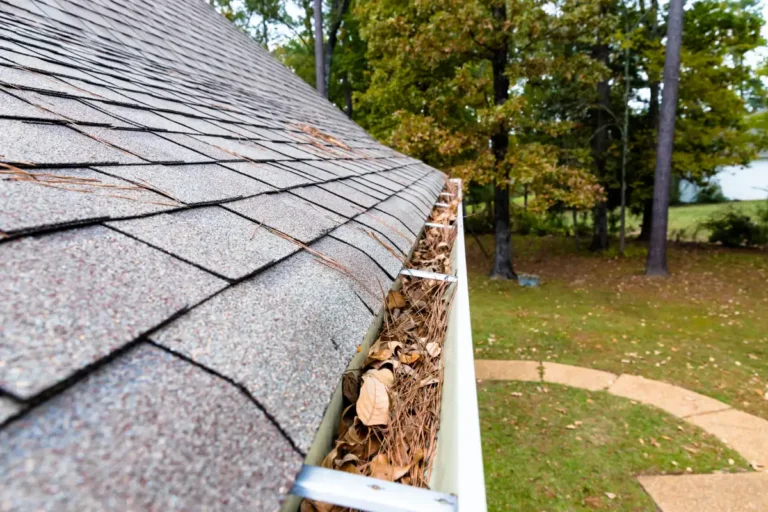
- Inspect gutters for shingle granules.
- Note dented gutters and detached flashing.
- Photograph debris and fallen branches.
Common signs of storm damage to a roof include damaged shingles, exposed roofing materials, broken shingles, and tree limbs resting on the roof. Hail may also leave granule loss in gutters or downspouts. Even if there is no visible damage, arrange for a roof inspection after a storm when high winds or hail have impacted your Burleson or North Texas neighborhood.
4. Check for Roof Leaks and Interior Water Damage
Roof damage can allow wind-driven rain to enter the home without creating an obvious exterior ingress point. Check any upper room floors, ceilings, walls, closets, and the attic for water leaks following a major storm.
- Look for water stains and dark spots.
- Check the attic for wet insulation.
- Watch for dripping water and peeling paint.
- Notice damp areas or musty odors.
- Move belongings away from active leaks.
Moisture alone can cause extensive damage, especially if it’s hidden. It can lead to mold growth, wood rot, and additional damage to the roof deck and roof structure. Place containers beneath any active leaks if it’s safe to do so, and protect interior furniture and flooring. Use extra caution around any electrical fixtures, outlets, or wiring. If water is near any electrical components, contact a qualified professional instead of attempting a DIY repair.
5. Document the Damage for Insurance Purposes
Documenting the storm damage prior to cleanup, temporary roof repair, or permanent repairs creates a clean record for your insurance company. Take pictures and videos only from safe areas and keep the original files whenever possible, storing them away securely until needed.
- Photograph visible roof damage from the ground.
- Capture gutters, flashing, siding, and fallen debris.
- Record interior water damage and damaged belongings.
- Write down the storm date and approximate time.
- Save receipts for mitigation and repair costs.
Keep a simple log of what you find, when you discovered it, and who you contacted afterwards. Review your insurance coverage, including whether the policy uses actual cash value or replacement cost for roof damage. The Texas Department of Insurance advises homeowners to file a claim promptly after hail or strong winds damage a home and to avoid contractors offering to waive a deductible.
6. Prevent Further Damage with Safe Temporary Measures
Temporary protection helps to prevent roof water damage while you arrange for emergency roof repair. It shouldn’t replace a proper assessment or permanent storm damage roof repair, however.
- Put buckets under active interior leaks.
- Move valuables away from wet areas.
- Cover furniture and flooring.
- Save receipts for temporary protection.
- Leave roof tarping to qualified professionals.
A roof tarp might be necessary when significant damage exposes a house to continued rain. But wet shingles, loose materials, and hidden roof structure damage make working at height excessively risky. Don’t attempt to repair roof damage yourself on a storm-damaged roof. A qualified Texas roofing contractor is in a better position to provide safe temporary protection and determine whether the roof needs a more focused repair job or a full replacement.
7. Contact a Roofing Professional for a Storm Damage Inspection
A professional storm damage roof inspection helps to identify conditions that may be hidden from the ground.
- Schedule an inspection after hail or high winds.
- Ask for a clear explanation of findings.
- Request photographs and a written scope.
- Understand whether repair or replacement makes sense.
- Do not assume a leak is the only sign of damage.
Texas Best Roofing Solutions provides storm damage inspections and roof repair after storm events for homeowners in Burleson and nearby DFW communities. As an independent, owner-operated company, our goal is to inspect the roof, explain what is happening, and recommend endpoints that make sense to homeowners. Prompt inspections will help address small issues before they become much larger and more expensive.
Review Repair Estimates and Insurance Requirements
Before approving any work, review the recommended repairs, materials, estimated roof repair costs, and the projected timeline. A written estimate should clearly explain the scope of the work, including whether the contractor recommends repairs or a full roof replacement following storm damage.
- Request a written storm damage roof repair estimate.
- Confirm materials and labor included.
- Ask about warranty coverage.
- Review claim requirements with your insurer.
- Avoid high-pressure agreements.
Your insurance adjuster verifies the damage, and your insurance company determines the coverage. A roofing contractor documents the roofing conditions and prepares an overall estimate. Texas insurance guidance notes that wind and hail deductibles may differ from other deductibles, so review the policy details before making any assumptions about insurance claims. Ask questions before signing and remain wary of anyone pressuring you to approve work without time to review the details.
Get a Straight Answer About Your Roof
After storm damage to your roof, whether it seems minor or significant, focus on safety, visible damage, interior leaks, documentation, and a professional inspection as soon as possible. Prompt action will help prevent further water damage, mold growth, and additional repair costs.
However, climbing out onto your roof or attempting any DIY work can make the situation worse. Leave that to the professionals.
Texas Best Roofing Solutions serves Burleson and nearby North Texas communities with storm damage roof inspections, emergency roof repair, and practical repair recommendations. If your roof has been through hail, wind, heavy rain, or falling debris, contact Texas Best Roofing Solutions to schedule an inspection.
You don’t need to diagnose the problem yourself; get a clear explanation of what your roof needs and the best steps to take from here.