How to Protect Your Home When Your Roof Starts Leaking
That first drip from the ceiling is more than a nuisance. It means water has already found its way inside your home. A roof leak can quickly affect drywall, insulation, flooring, and furniture.
Even a small leak can spread beyond the visible area into materials inside your ceiling and walls. The sooner you contain it, the more you can limit the roof leak damage.
When you spot roof leak signs, such as dripping water, ceiling stains, or damp walls, protect your loved ones and belongings first, then arrange professional roof leak repair.
The steps below can help you respond safely to a leaking roof while limiting further damage.
Find and Contain the Water Inside Your Home
When water is actively entering your home, quick containment is your priority during a roof leak emergency. Follow these steps to limit roof leak damage:
- Catch the water: Place buckets or containers under active drips, and lay towels around the area to catch splashing and reduce water from spreading across the floor.
- Handle multiple leaks: If water is leaking through the ceiling in more than one spot, set out additional containers and empty them before they overflow.
- Protect your belongings: Move furniture, electronics, rugs, and other valuables away from the affected area. Cover anything you cannot safely relocate.
- Stay safe around electricity: Keep clear of areas where an active roof leak is near light fixtures, outlets, or wiring. If it is safe to do so, shut off power to the affected area and avoid touching wet electrical components.
Check the Ceiling and Walls for Visible Damage
Visible changes inside your home can be some of the earliest roof leak signs. Look for brown or yellow stains, bubbling paint, peeling surfaces, or damaged drywall around the affected area. Check nearby ceilings and walls as well, since water can travel away from the original entry point before the damage becomes noticeable.
Do not paint over stains or replace damaged drywall before addressing the leak source. Covering the damage without fixing the underlying problem can allow roof water damage to continue unnoticed.
Take photos of the affected areas, documenting the ceiling water damage and any water-damaged walls to support repair planning and insurance documentation where applicable.
Protect Your Belongings and Interior Areas
Once the damage is documented, act quickly to protect your home from further roof leak damage. Taking these steps can help limit the spread of moisture and reduce the risk of additional water damage:
- Relocate valuables: Move furniture, electronics, rugs, and hard-to-replace items away from the affected area.
- Cover what you cannot move: Use plastic sheeting or tarps to cover large or heavy items and protect them from dripping or splashing water.
- Remove standing water: If it is safe to do so, use towels, a mop, or a wet/dry vacuum to remove water before it can seep into flooring and subfloors.
The sooner you protect the space and remove standing water, the more you can limit overall home water damage while arranging the necessary roof repairs.
Inspect the Attic If It Is Safe to Do So
Because the attic sits directly beneath the roof, it can provide an early view of a roof leak in attic spaces. If you can access it safely, look for wet attic insulation, dark water marks along the framing, and damp or discolored roof decking. These can be signs of attic water damage and clues to where water is entering.
Only inspect the attic if conditions are safe. Avoid entering if you notice sagging structures, standing water near wiring, or signs of severe damage. Do not walk on areas that appear unstable or damaged.
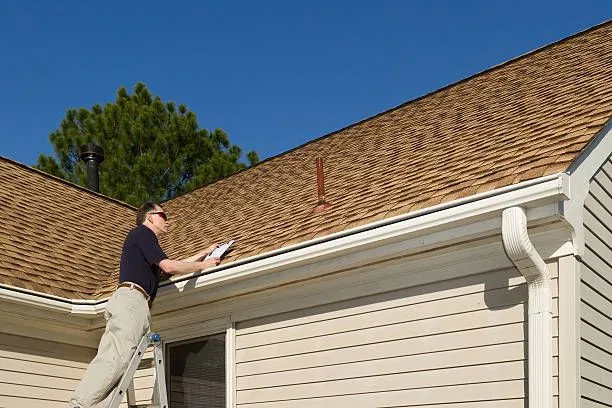
When attic access is unsafe, or the source of the leak is unclear, schedule a professional roof leak inspection. A roofing professional can safely locate the source of the leak and assess whether moisture has affected the roof deck, insulation, or other areas.
Check for Recent Storm or Weather Damage
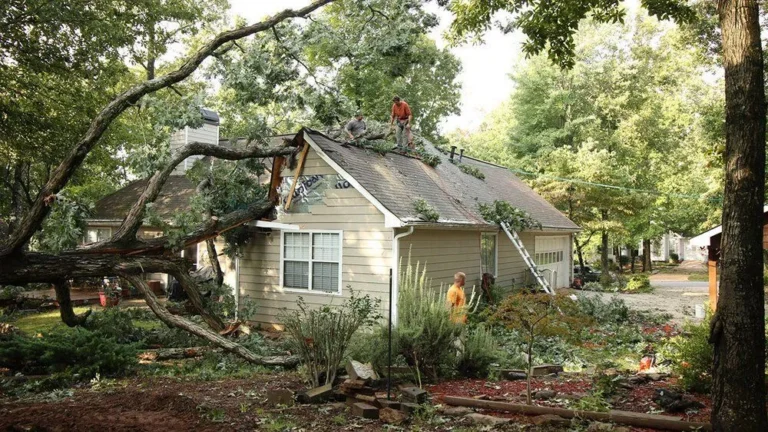
Many roof leaks develop after severe weather. Hail, strong winds, and heavy rain can all compromise your roof, so if a leak appears soon after a storm, the weather may be the source. This is especially relevant in Texas. June 2026 storms brought heavy rain, high winds, and hail that caused property damage across 101 counties, according to the Texas Governor’s Office.
Common signs of storm damage to your roof include:
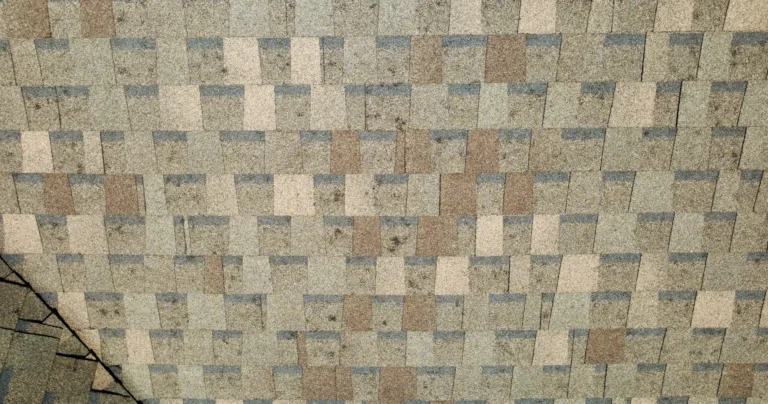
- Missing, cracked, or curling shingles after high winds
- Dented or bruised shingles from hail impacts
- Lifted, torn, or missing flashing caused by strong winds
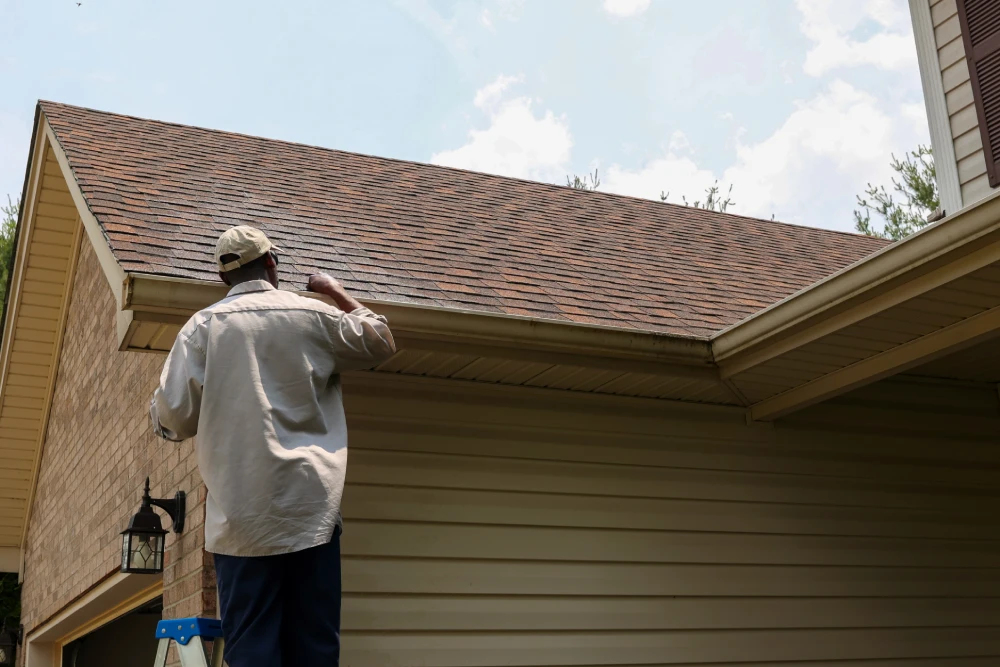
If you inspect from the ground, do so only when it is safe. Never climb onto a wet, damaged, or steep roof yourself. Even minor-looking damage can hide larger problems underneath, so after a significant storm, arrange a professional roof inspection to identify issues that may not be visible from the ground.
Avoid Temporary Fixes That Can Cause More Damage
When dealing with a leaking roof, it is natural to want to fix the problem right away. However, climbing onto a wet or damaged roof can be dangerous. Slippery surfaces, hidden weak spots, and unstable footing can increase the risk of falls, so avoid attempting repairs yourself when conditions are unsafe.
An improper temporary roof repair can also do more harm than good. It may fail to stop the water or create additional damage that makes the eventual repair more complicated. Interior steps, such as containing drips and covering belongings, can help protect your home temporarily, but they do not replace a proper roof repair.
For lasting results, leave roof leak repair to a qualified professional who can safely identify the source of the leak and determine the appropriate repair. Avoid putting yourself at risk to address a problem that may require specialized equipment or expertise.
Schedule a Professional Roof Inspection and Repair
Stopping a leak for good starts with finding its true source, and that is not always as simple as it looks. Water can travel along rafters, decking, and insulation before it appears inside your home, which means the visible damage may not be directly below the roof problem.
This is why a professional roof leak inspection matters. A qualified roofer can perform a thorough roof inspection to trace the leak to its source, assess the surrounding roofing materials, and determine the right repair for your situation.
Scheduling professional roof repair promptly can help address the underlying problem rather than temporarily masking it. This can reduce the risk of ongoing damage and more extensive repairs while helping restore the roof properly.
Know When You Need Emergency Roof Repair
Some roof leaks cannot wait for a routine repair appointment. You may need emergency roof repair if you notice any of the following:
- An active roof leak that is allowing significant amounts of water into your home
- A large or spreading ceiling leak or sagging, bulging drywall
- Extensive storm damage affecting shingles, flashing, or other roof components
- Water near electrical fixtures or wiring
Leaving a serious leak unattended can allow water to spread through ceilings, walls, insulation, and other areas of your home.
If the leak is causing significant water entry or creating an electrical or structural safety concern, seek urgent roof repair from a qualified professional. Emergency roof repair can help address the immediate problem and limit further damage.
Frequently Asked Questions
Q: How quickly should you respond to a roof leak?
Respond as soon as you notice water entering your home. Contain the drip, protect your belongings, and contact a roofing professional promptly. Acting quickly can help limit roof leak damage and reduce the risk of more extensive repairs.
Q: Can you fix a roof leak yourself?
Interior steps such as placing buckets and protecting your belongings are generally safe to handle yourself. Roof-level repairs are different because wet or damaged roofing can be dangerous to access. A qualified roofer can locate the source and complete the necessary roof leak repair safely.
Q: Why does a leak appear far from the damaged shingle?
Water can travel along rafters, decking, insulation, and other roofing materials before it reaches the ceiling. As a result, the visible leak may not be directly below the damaged area. A professional roof leak inspection can help trace the moisture back to its source.
Q: Does homeowners insurance cover roof leaks?
Coverage depends on the cause of the leak and the terms of your specific policy. Damage caused by certain sudden events, such as storms, may be covered, while damage related to long-term wear or maintenance issues may not be. Keep photos and other documentation to support your claim if you need to file one.
Q: When is a roof leak an emergency?
A leak may require emergency attention when it causes significant water entry, threatens electrical safety, creates structural concerns, or results from extensive storm damage. In these situations, contact a roofing professional promptly to assess the problem and determine whether emergency roof repair is needed.
Act Fast to Protect Your Home from Roof Leaks
When your roof starts leaking, quick and careful action can help limit the damage. Contain the water, protect people and belongings inside your home, and keep affected areas as dry as possible.
These temporary measures can reduce damage in the moment, but they do not replace a lasting fix. A leaking roof should be professionally inspected and properly repaired to address the source of the problem.
Addressing a roof leak promptly can help prevent further water intrusion and reduce the risk of more extensive repairs. Whether you need a routine inspection or emergency roof repair, taking action early can help protect your home from continued damage.
At Texas Best Roofing Solutions, our team can help identify roofing problems and determine the right next step. We serve Burleson and nearby DFW communities.
Contact us today to schedule your professional roof inspection.