The DFW Homeowner’s 24-Hour Storm Survival Guide: Tarps, Leaks, and Immediate Next Steps
If you’ve lived in North Texas for more than a few months, you know the drill. One minute you’re enjoying a quiet evening in the backyard, and the next, the sirens are wailing, the sky turns that weird shade of bruised purple, and the "Texas ice machine" starts dumping hailstones the size of golf balls on your roof.
When the wind dies down and the rain stops, that’s when the real work begins. The first 24 hours after a major DFW storm are absolutely critical. What you do: and what you don't do: during this window can be the difference between a simple repair and a total financial nightmare.
At Texas Best Roofing Solutions, we’ve seen it all. From the massive hail strikes in Plano to the straight-line winds that tear through Midlothian, we know how stressful this is. This guide is your "survival manual" for those first 24 hours. Let's get to work.
Hour 1: The Immediate Safety Sweep
Before you even think about your shingles, you need to check on your safety. Storms don't just damage roofs; they mess with power lines, gas pipes, and structural integrity.
- Check for Gas Leaks: If you smell rotten eggs, get everyone out of the house immediately and call the gas company.
- Watch the Wires: If there are downed power lines near your home or leaning on your roof, stay far away. Contact Oncor or your local utility provider.
- The Attic Check: Grab a flashlight. Don't just look at your ceilings; get into the attic if it’s safe. Look for active drips or damp insulation. Sometimes water doesn't show up on the drywall until hours later, but it’s already soaking your insulation.

Hours 2-6: Stopping the Bleeding (The Tarping Phase)
In the insurance world, there’s a term called "mitigation." Your insurance policy likely has a clause stating that you, the homeowner, are responsible for preventing further damage after a loss. This means if you have a hole in your roof and you let it rain inside for three days without covering it, the insurance company might deny the interior damage claims.
This is where an emergency roof tarping service Dallas becomes your best friend.
Why You Shouldn't Do It Yourself
We know y'all are handy, but the hours immediately following a storm are the most dangerous time to be on a roof. Shingles are slick, there’s often debris you can’t see, and if there’s structural damage, the roof deck might be soft.
An emergency tarp isn't just throwing a blue sheet over a hole. It involves:
- Using heavy-duty, UV-resistant tarps.
- Securing the tarp with "furring strips" (wood lath) so the wind doesn't catch it and turn it into a sail.
- Ensuring the tarp is tucked under the ridge or higher shingles so water doesn't just run under the "patch."
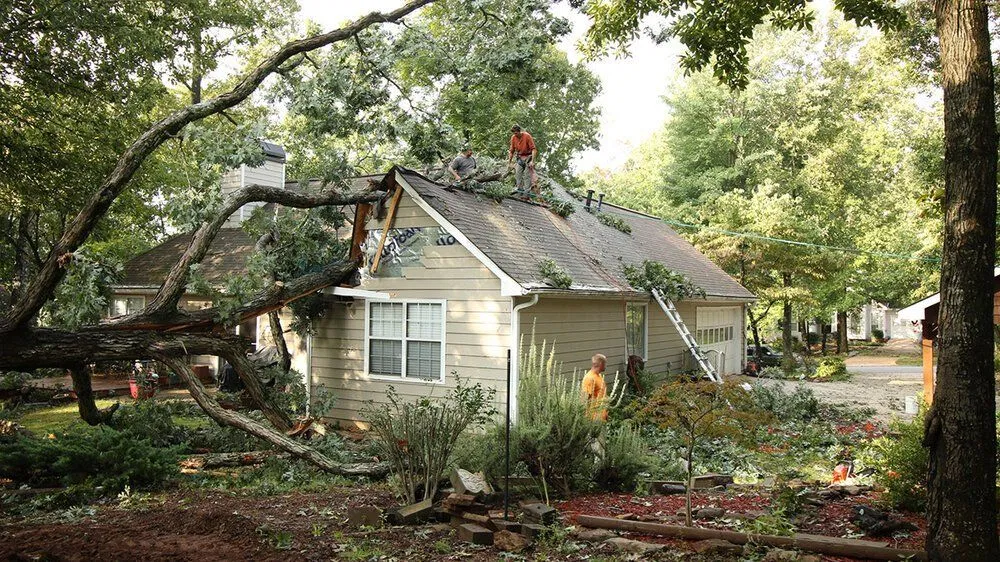
If you see major damage, like a fallen tree or visible daylight through the ceiling, you need a pro out there fast to secure the perimeter.

Hours 6-12: The Interior Damage Assessment
While you’re waiting for the exterior to be secured, look inside. If water is coming in, it’s not just a roof problem anymore: it’s a home problem.
Water can travel along rafters and beams, showing up in a completely different room than where the actual roof leak is. Check your kitchen cabinets, look behind your electronics, and feel the carpet near exterior walls. If your kitchen was recently remodeled, the last thing you want is for moisture to get behind those custom cabinets.

Pro Tip: If you have an active leak, use the "trash can and string" method. If water is dripping from a ceiling, poke a tiny hole in the center of the damp spot to let the water drain into a bucket. This prevents the water from pooling and causing the entire ceiling to collapse. Then, tie a piece of string to the hole and lead it into the bucket so the water follows the string instead of splashing everywhere.
Hours 12-18: Documentation is Everything
By now, the sun is likely up. It’s time to play detective. Before you start cleaning up or moving debris, you need to document everything for your insurance claim.
- Take "The Big Picture" Photos: Take photos of all four sides of the house from the yard.
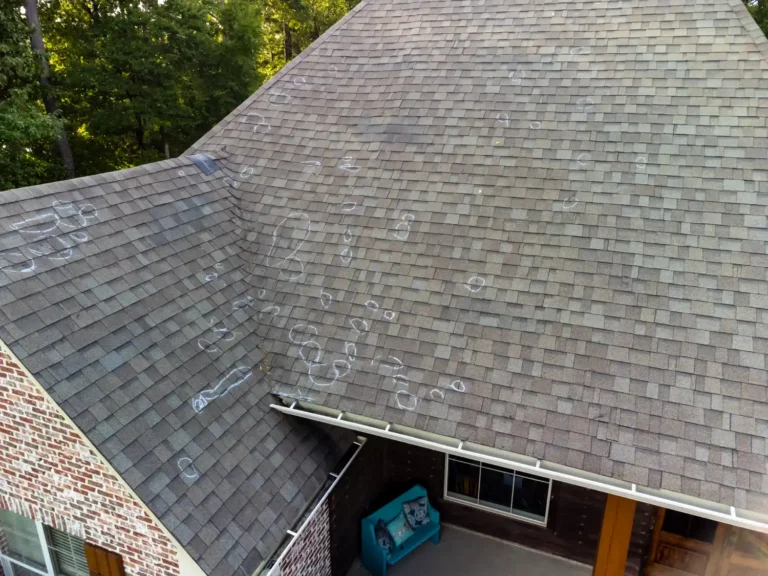
- Find the Evidence: If there are hailstones on the ground, put one next to a ruler or a quarter and take a photo. This proves the size of the hail that hit your specific property.
- The "Paper Trail": Create a folder (digital or physical) for all receipts. If you had to buy a shop-vac, buckets, or plywood, keep the receipts. These are often reimbursable under your "Loss of Use" or "Reasonable Repairs" coverage.
Hours 18-24: Getting a Professional Eye
Once the immediate chaos has settled, it’s time to call in the experts. Don't wait for the "storm chasers" to knock on your door. You know the ones: the guys with out-of-state plates who show up with a ladder and a high-pressure sales pitch.
You want someone local. Someone who knows the building codes in Denton, Aledo, and Frisco.
The Texas Best Advantage
This is where Stan Short and the team come in. Stan isn't just a roofer; he’s a former insurance adjuster. That means when he looks at your roof, he isn't just looking for broken shingles: he’s looking at it through the eyes of the person who will be approving your check.
We offer free roofing inspections to help you decide if it’s even worth filing a claim. Sometimes the damage is minor enough that it’s less than your deductible. Other times, there’s "hidden" damage that an untrained eye would miss, which could lead to massive leaks six months down the road.
Understanding Your Coverage: ACV vs. RCV
In the heat of the moment, you might hear your adjuster talk about "ACV" or "RCV." Here’s the "Texas Best" translation:
- ACV (Actual Cash Value): They pay you what the roof is worth today (minus depreciation for age).
- RCV (Replacement Cost Value): They pay you what it costs to actually put a new roof on.
Knowing which policy you have is vital before you start signing contracts. Because Stan has that adjuster background, he can help explain these nuances so you don't get stuck with a bill you weren't expecting.
Why Local Knowledge Matters
A storm in Waxahachie is different from a storm in Irving. Local weather patterns, city-specific permit requirements, and even the direction the wind usually blows all play a factor in how we approach your repair.
When you use a local emergency roof tarping service Dallas, you’re getting someone who will be here next month and next year if you have a question. We live in these communities, and we treat your home like it’s our neighbor’s: because it usually is.
Final Checklist for the First 24 Hours
- Safety: Stay away from power lines and don't climb on the roof yourself.
- Mitigate: Call for emergency tarping if you have visible holes or major leaks.
- Document: Take more photos than you think you need.
- Inspect: Schedule a free inspection with a local expert who understands the insurance side of the business.
- Verify: Check the credentials of any contractor who knocks on your door.
Storms are a part of life in North Texas, but the stress doesn't have to be. Whether you’re in McKinney, Burleson, or Weatherford, Texas Best Roofing Solutions is ready to help you navigate the clouds and get back to normal.
Need a hand after the storm? Give us a shout for a free, no-pressure inspection. We'll give you the straight talk on your roof, every time.